
From Punk Rock to Free Meals in NYC
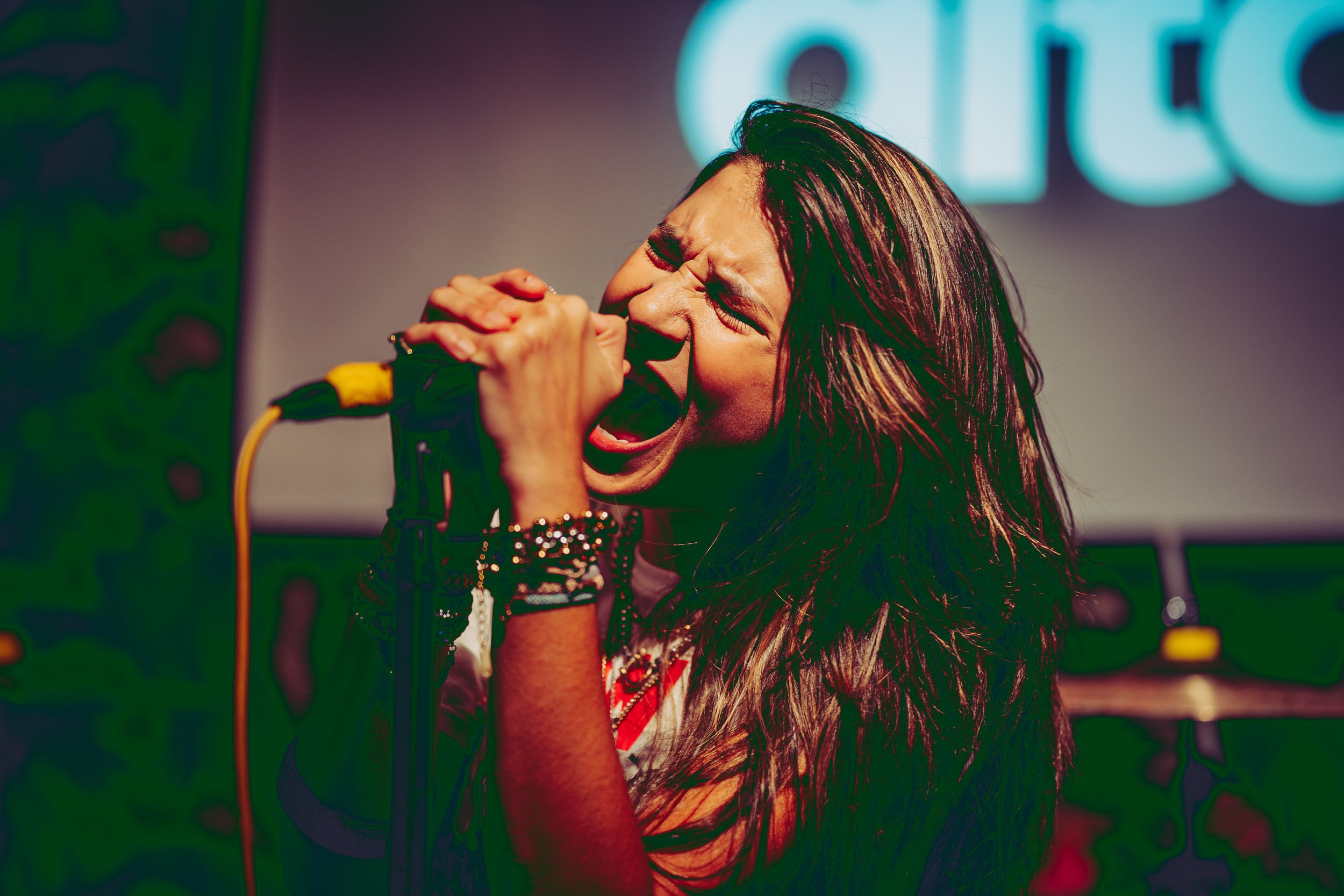
Baltimore Pop Punk Band AITA at Young Ethel’s Brooklyn NYC
Friday night in Brooklyn NYC
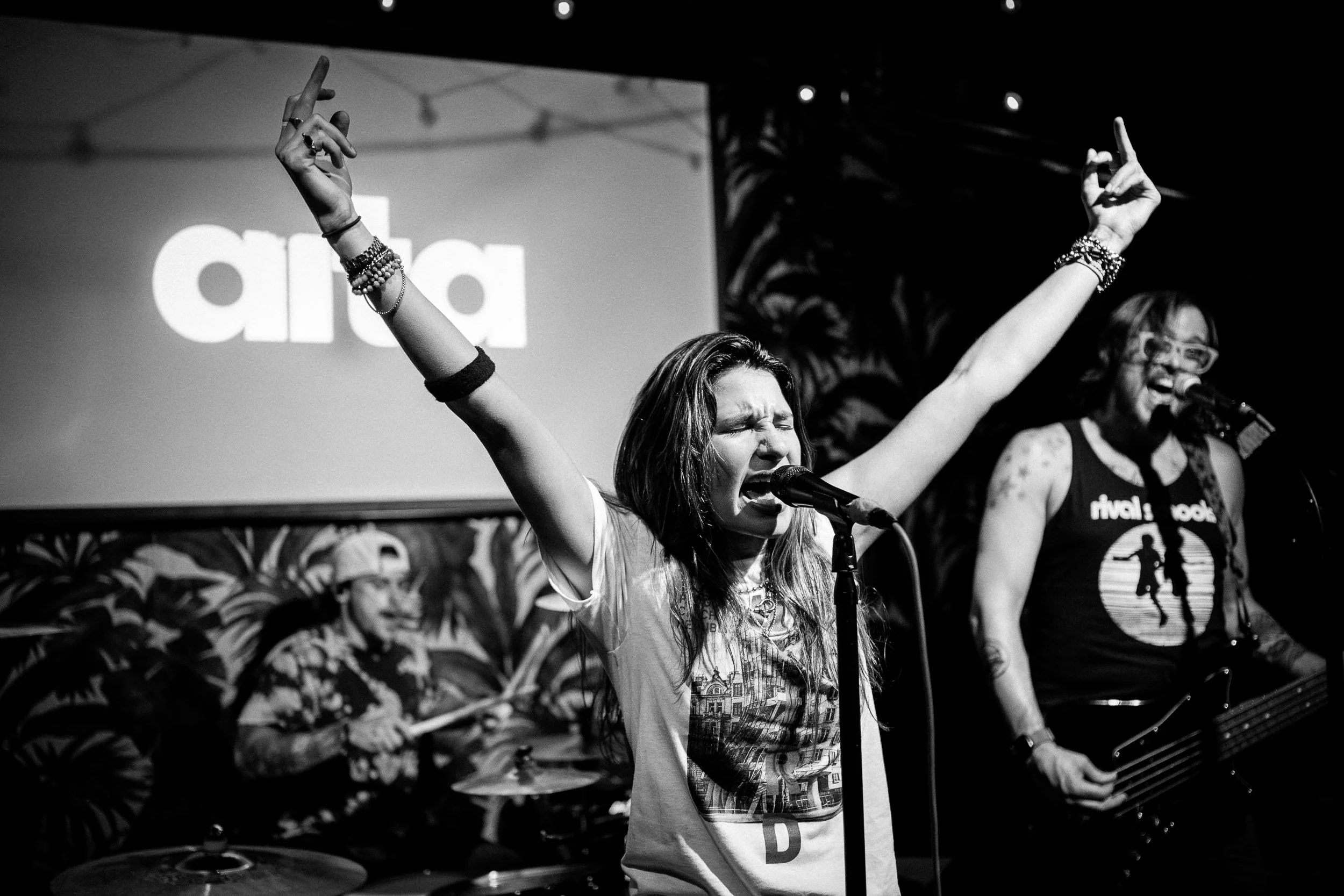
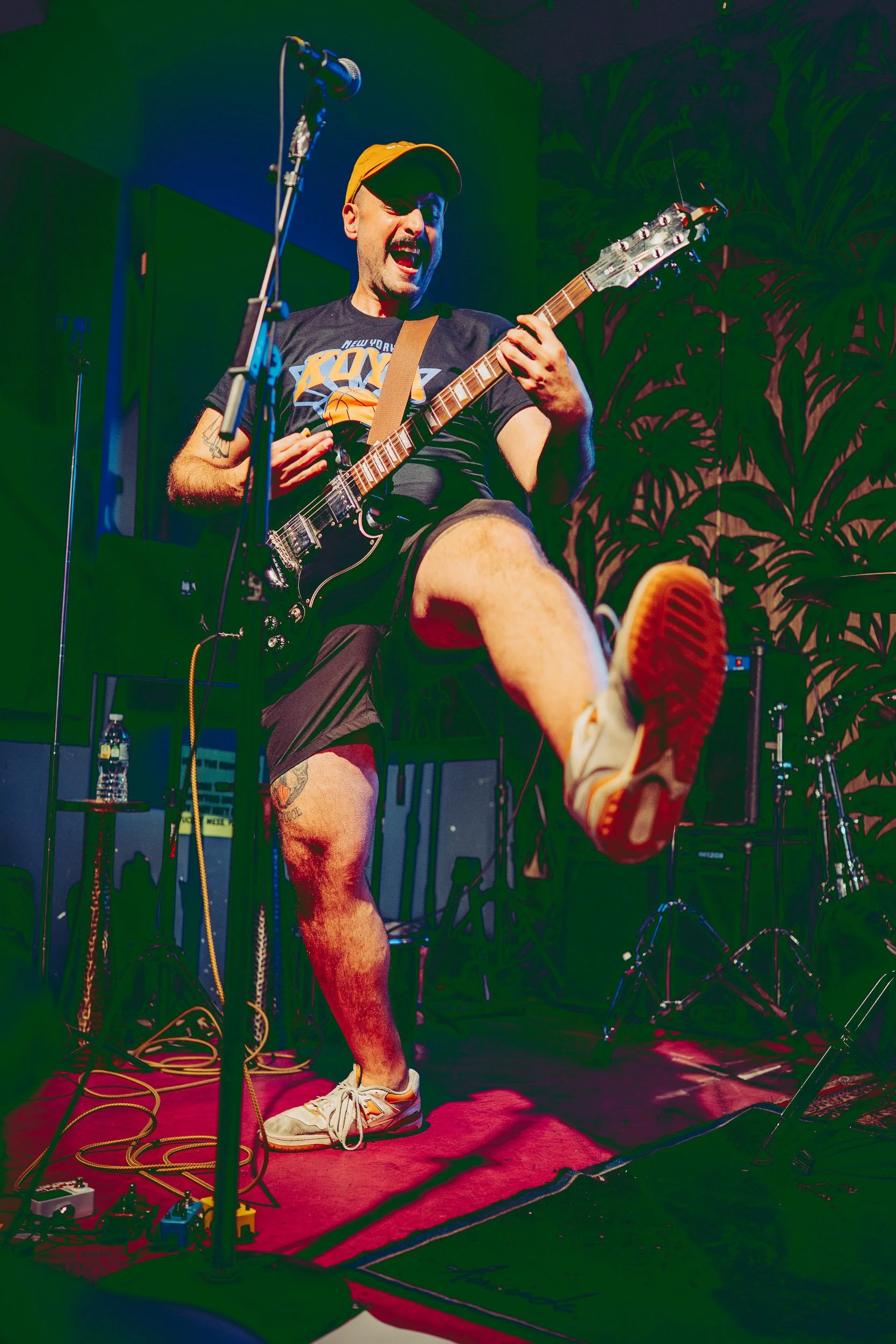
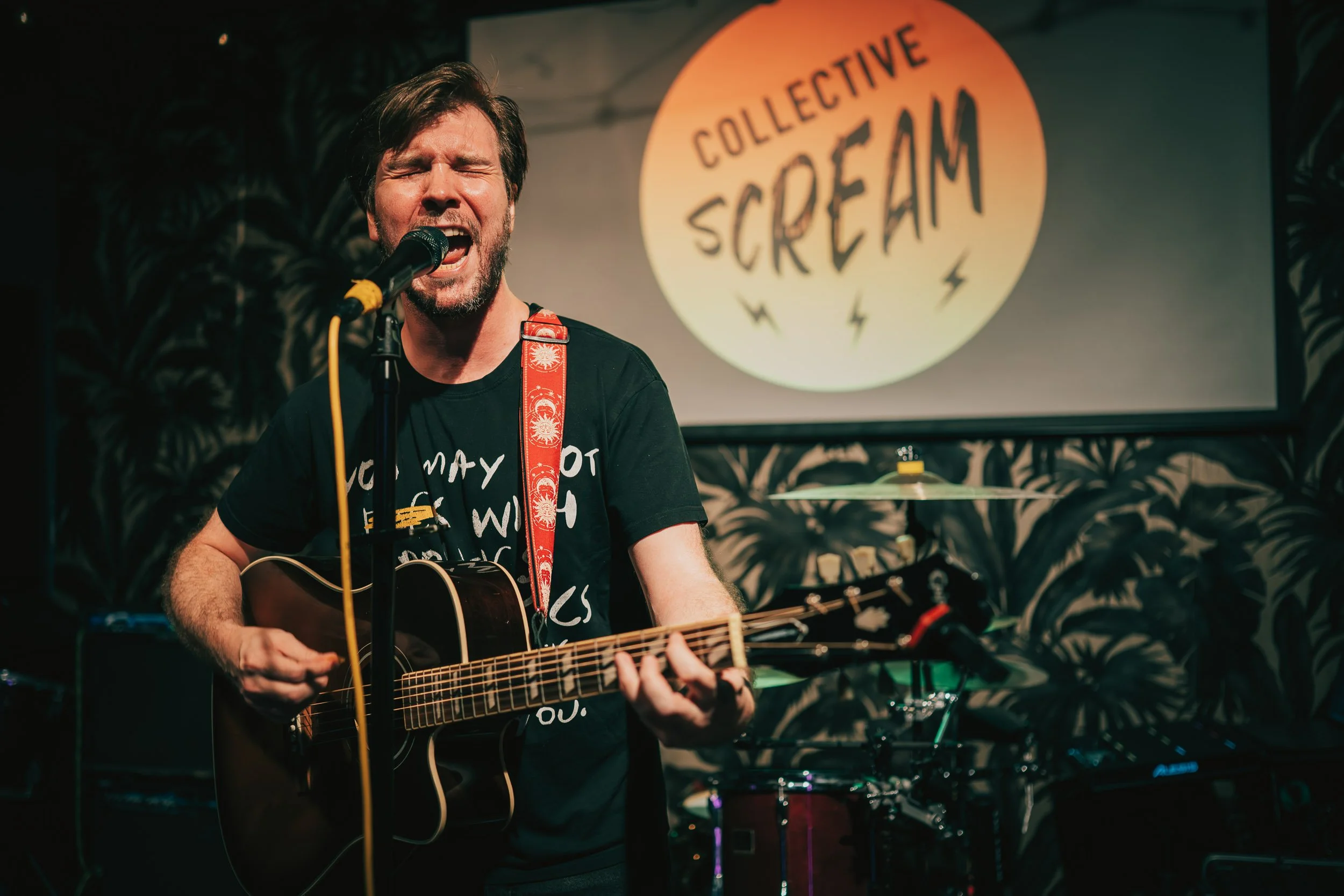
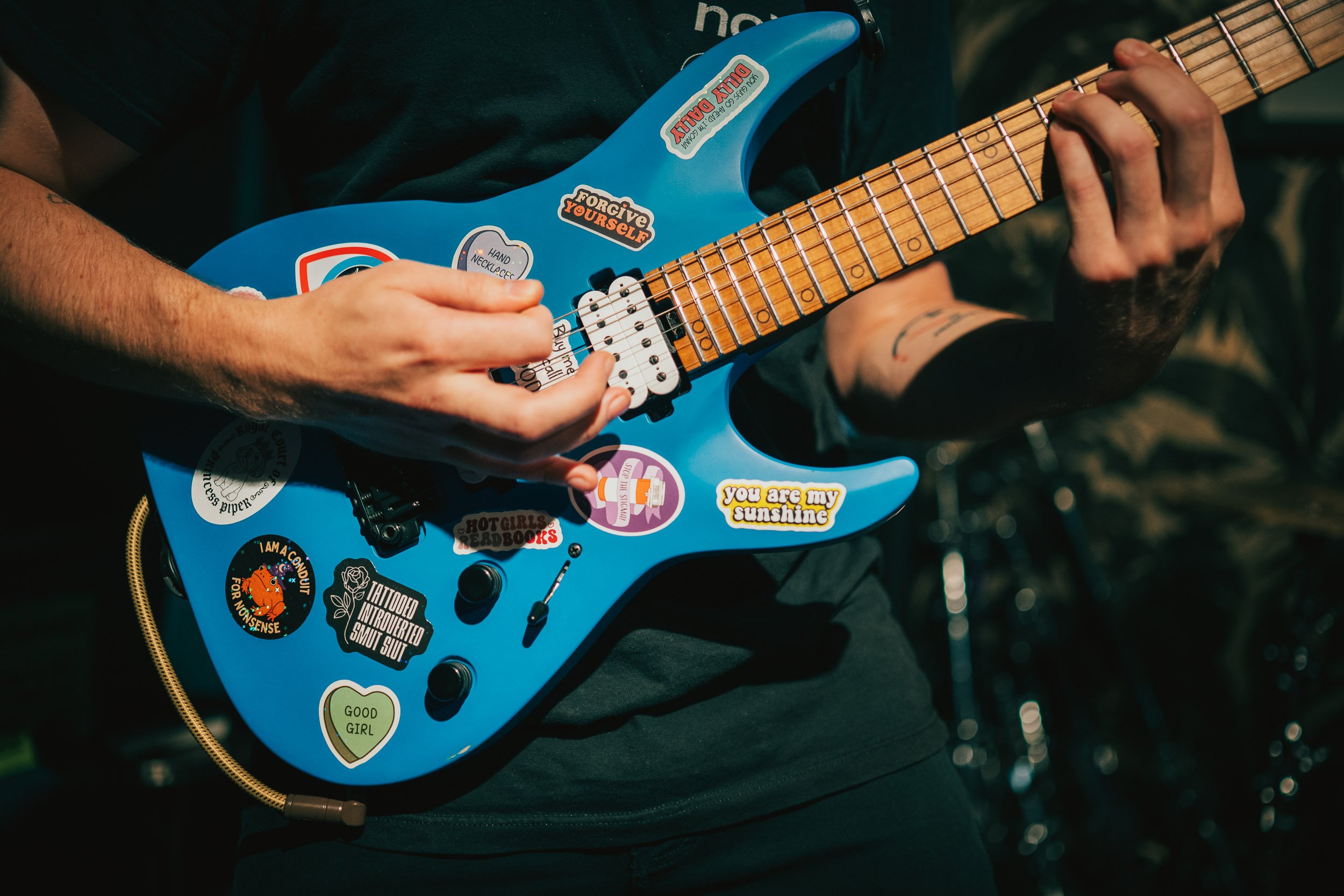
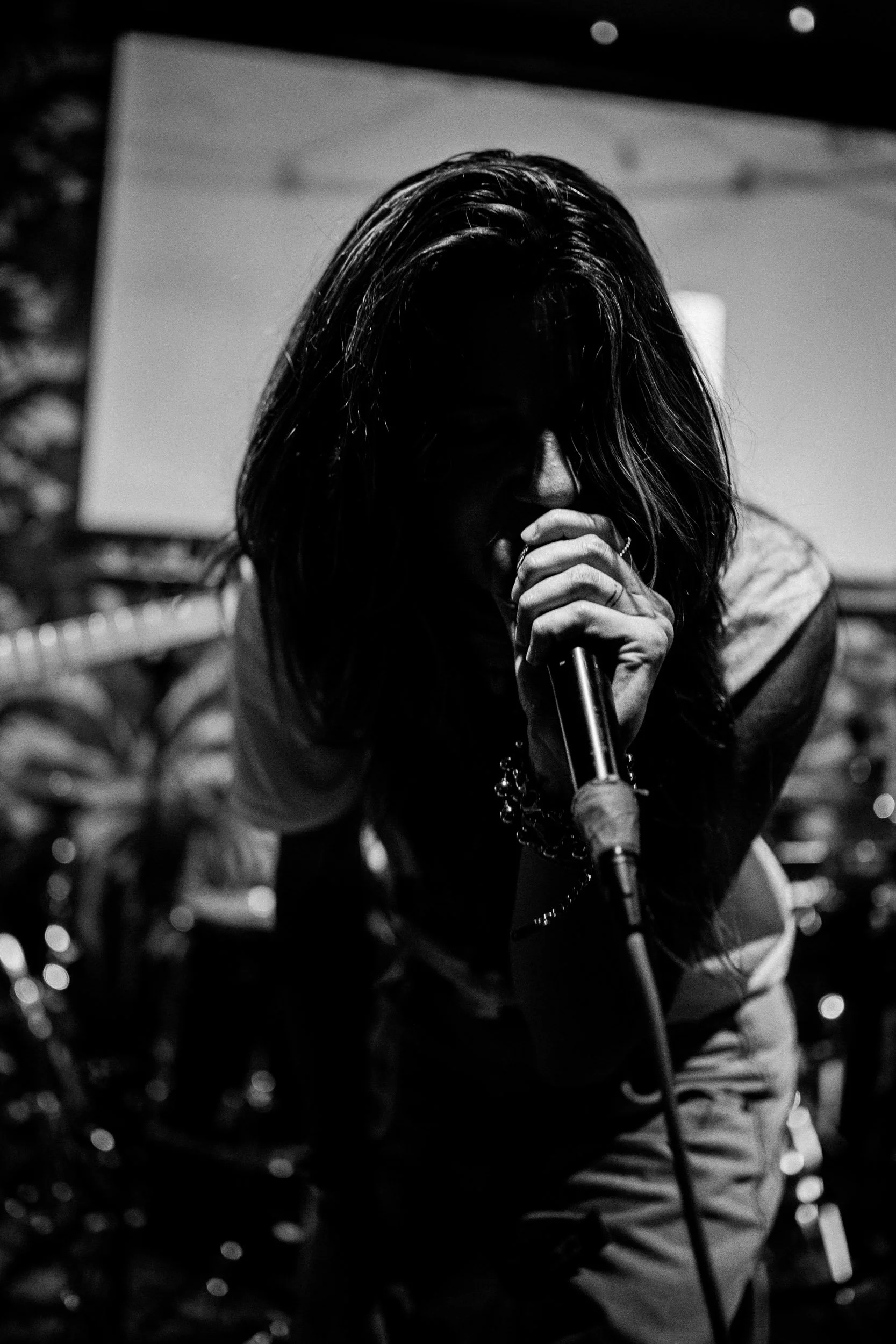
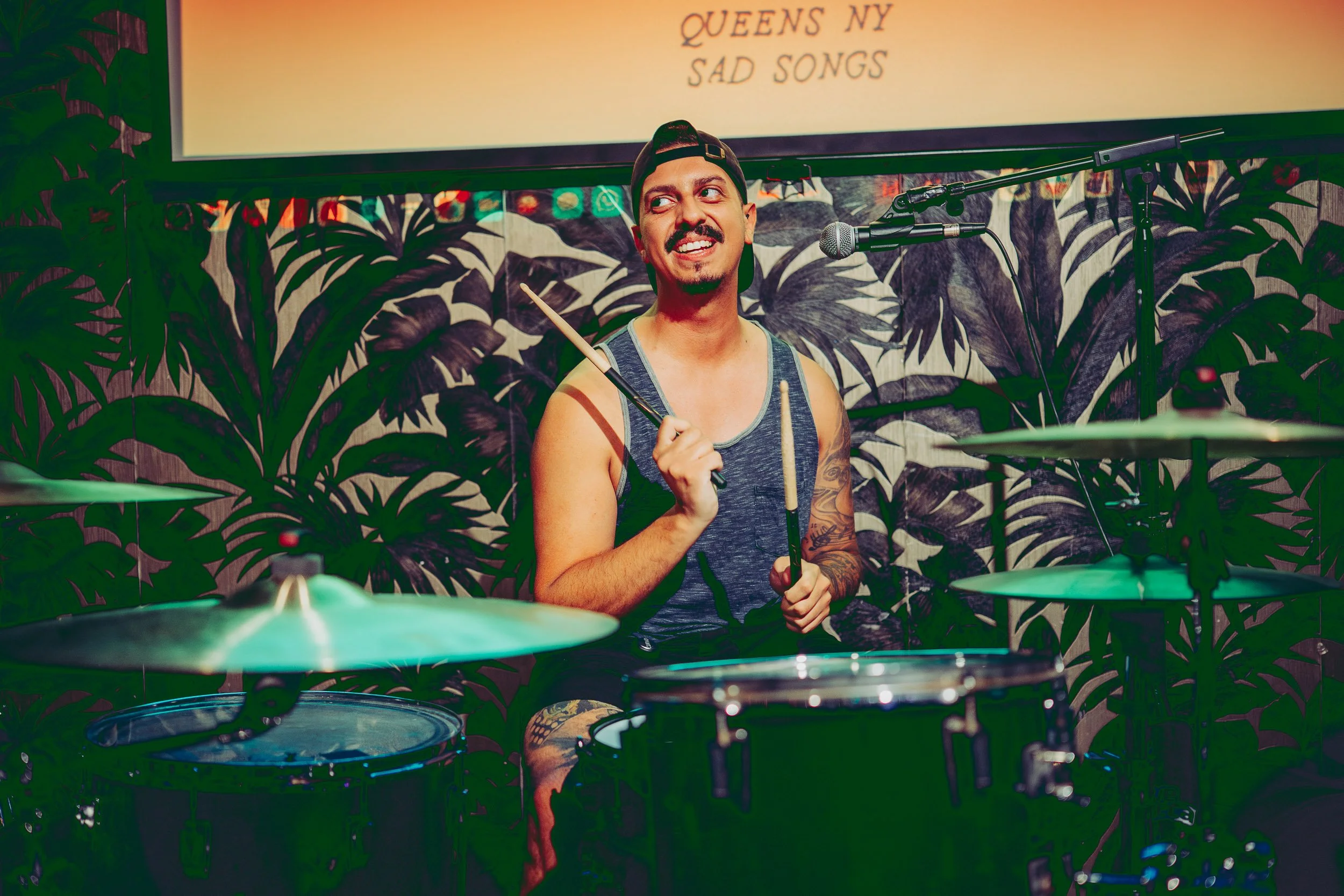
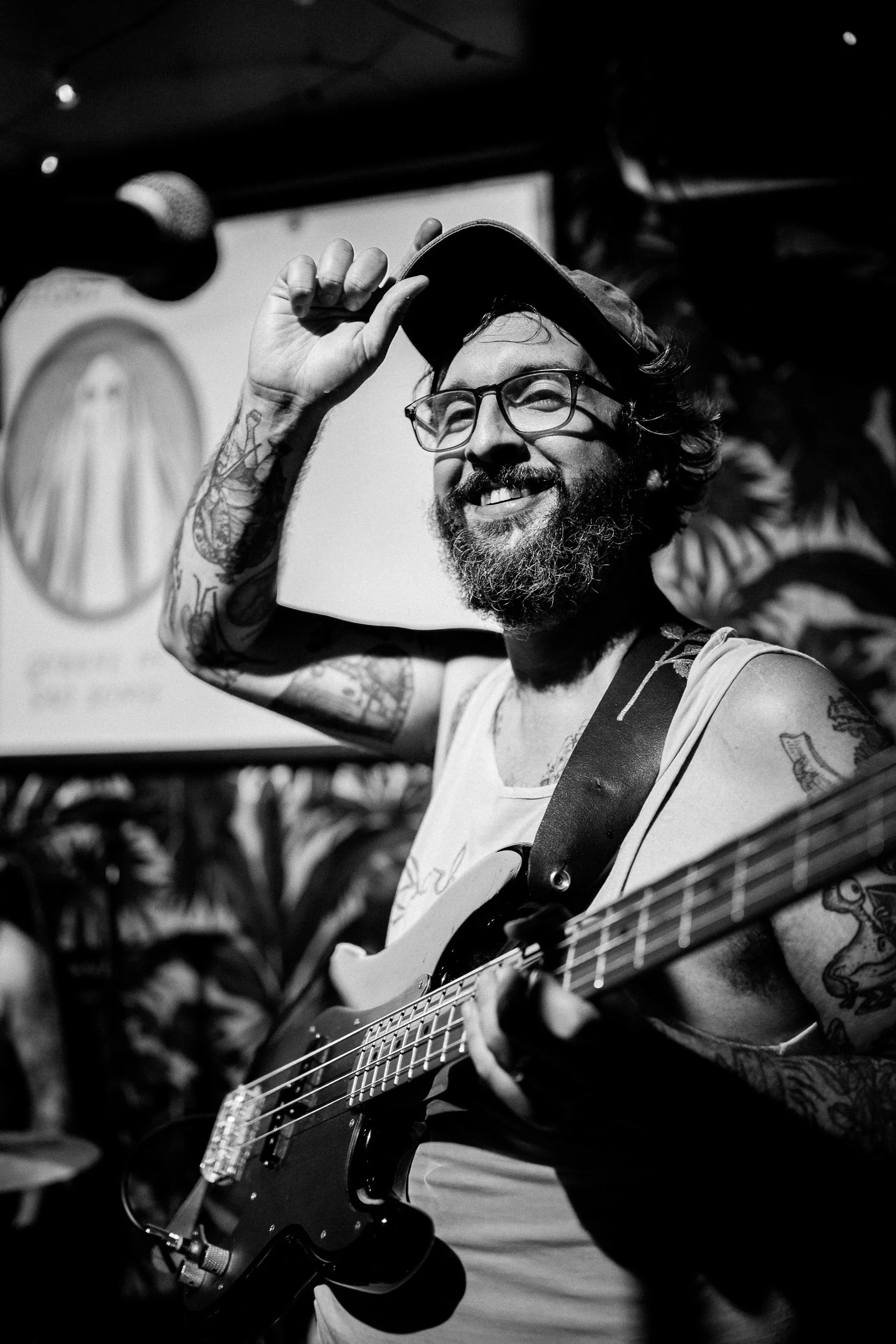
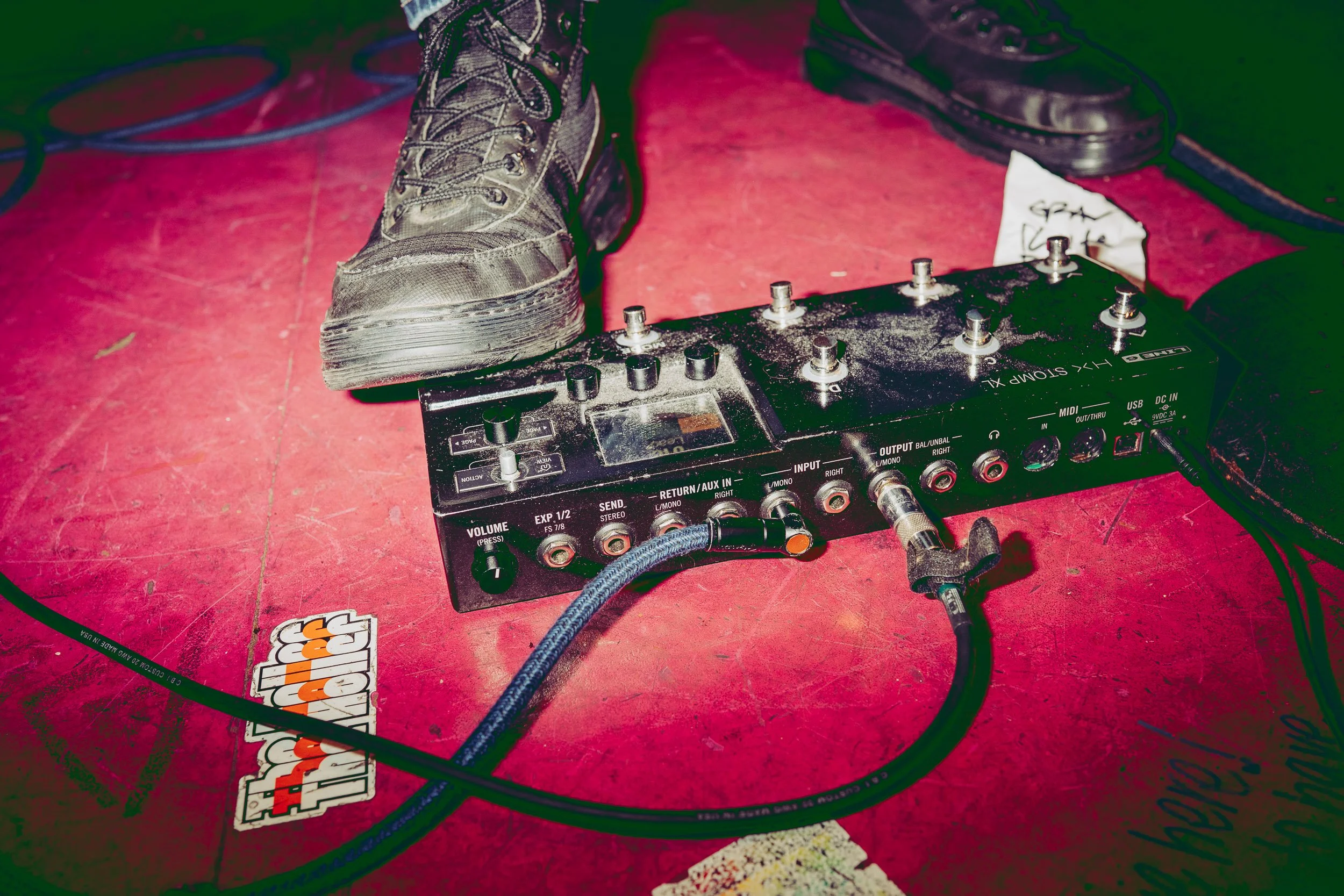
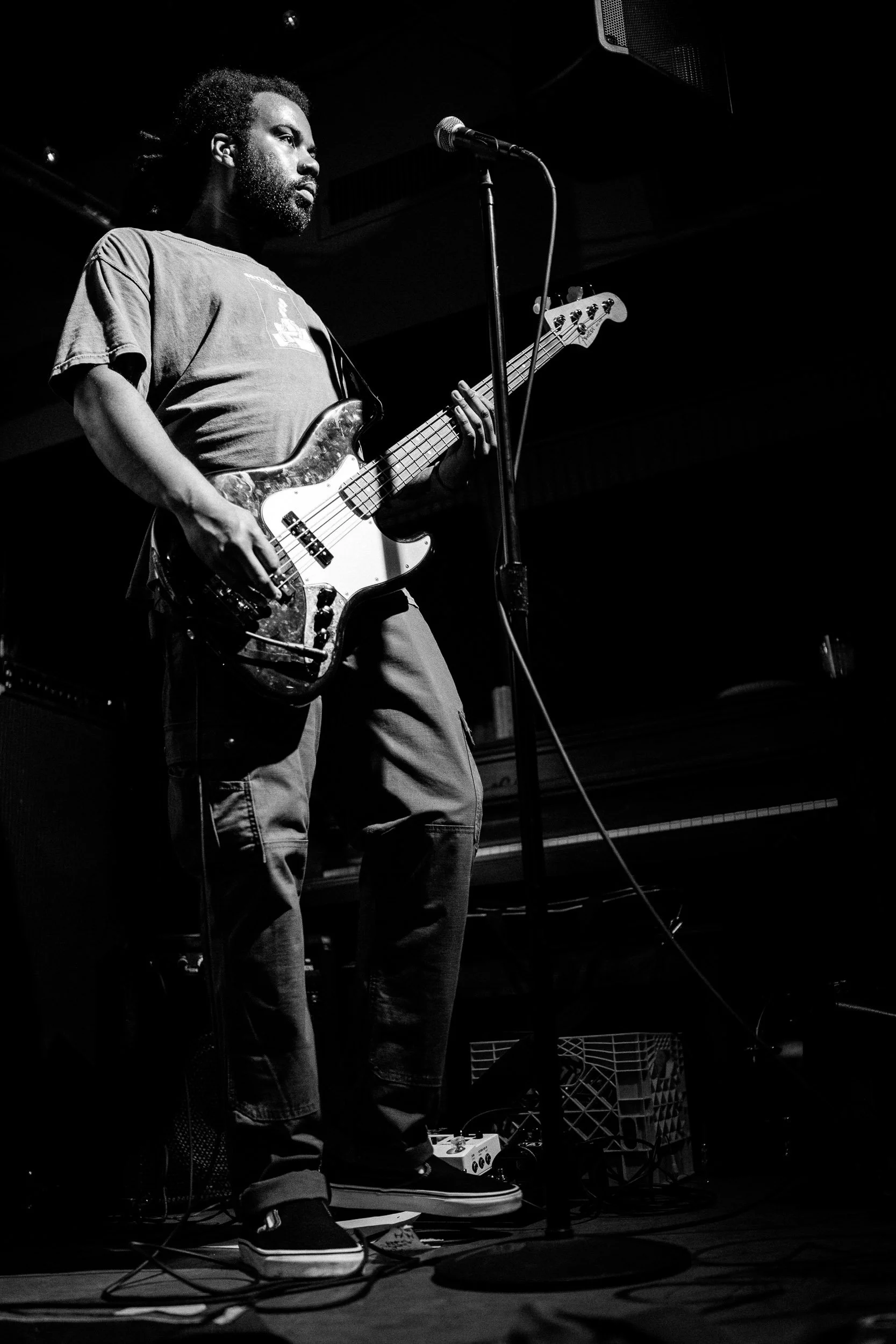
On a Friday night in Brooklyn, the back room of Young Ethel’s is packed. The stage is barely separated from the crowd, and the atmosphere is intimate, energetic and loud. Loud enough, in fact, that Baltimore pop-punk band AITA hands out earplugs for free.
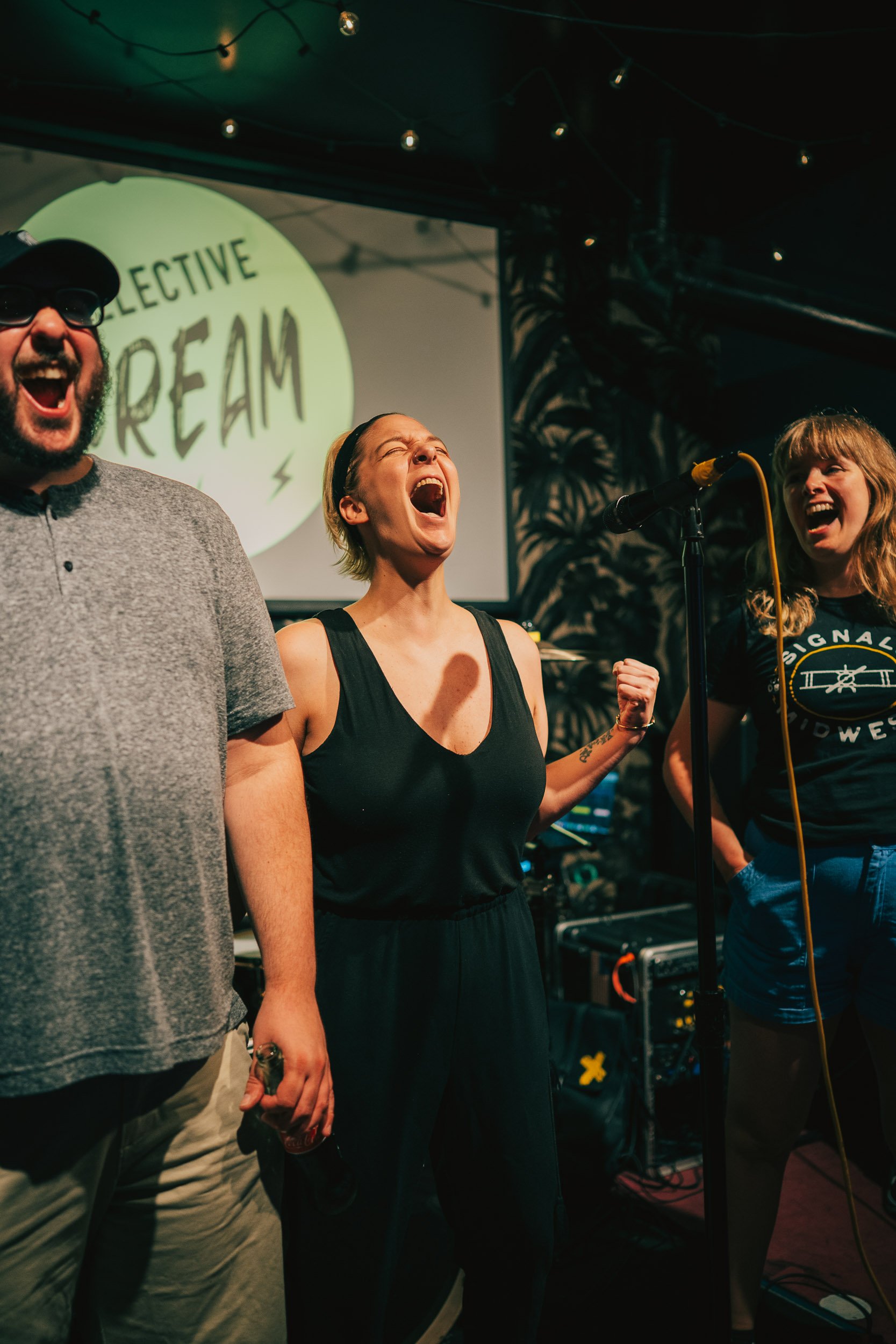
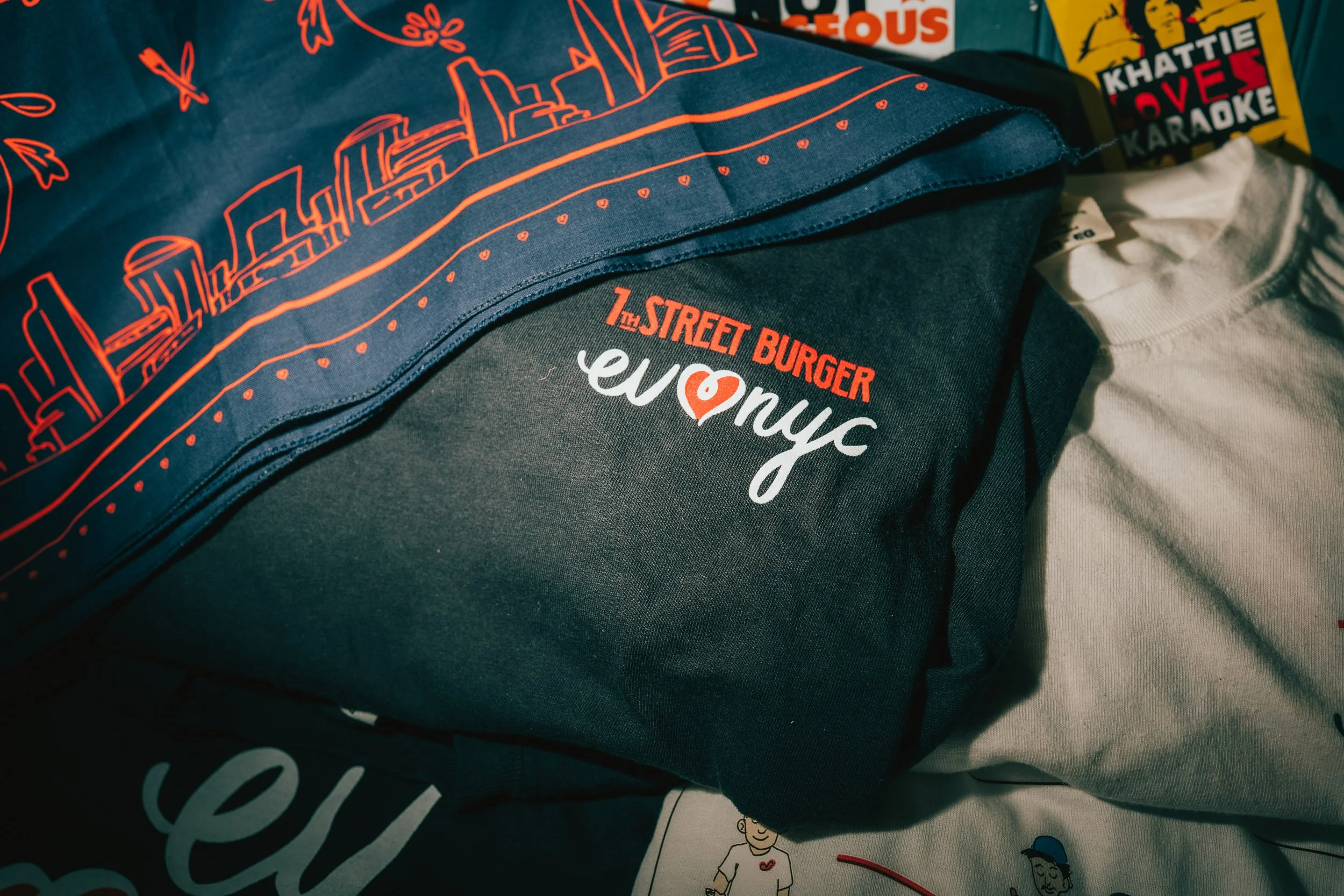
The show was organized by Collective Scream as a fundraiser for EVLovesNYC, a New York mutual aid organization providing meals across the city. EVLovesNYC merchandise was on display, the organization was briefly introduced at the beginning of the evening, and the proceeds from the show went toward supporting its work.
Talking to Morgan from Collective Scream, I learned more about the role they try to play between two very different worlds. Mutual aid organizations are constantly looking for ways to fund their work, while bands and audiences are often willing to support local causes. Collective Scream brings the two together by organizing fundraiser shows.
Two days later, I got to see where that support goes.
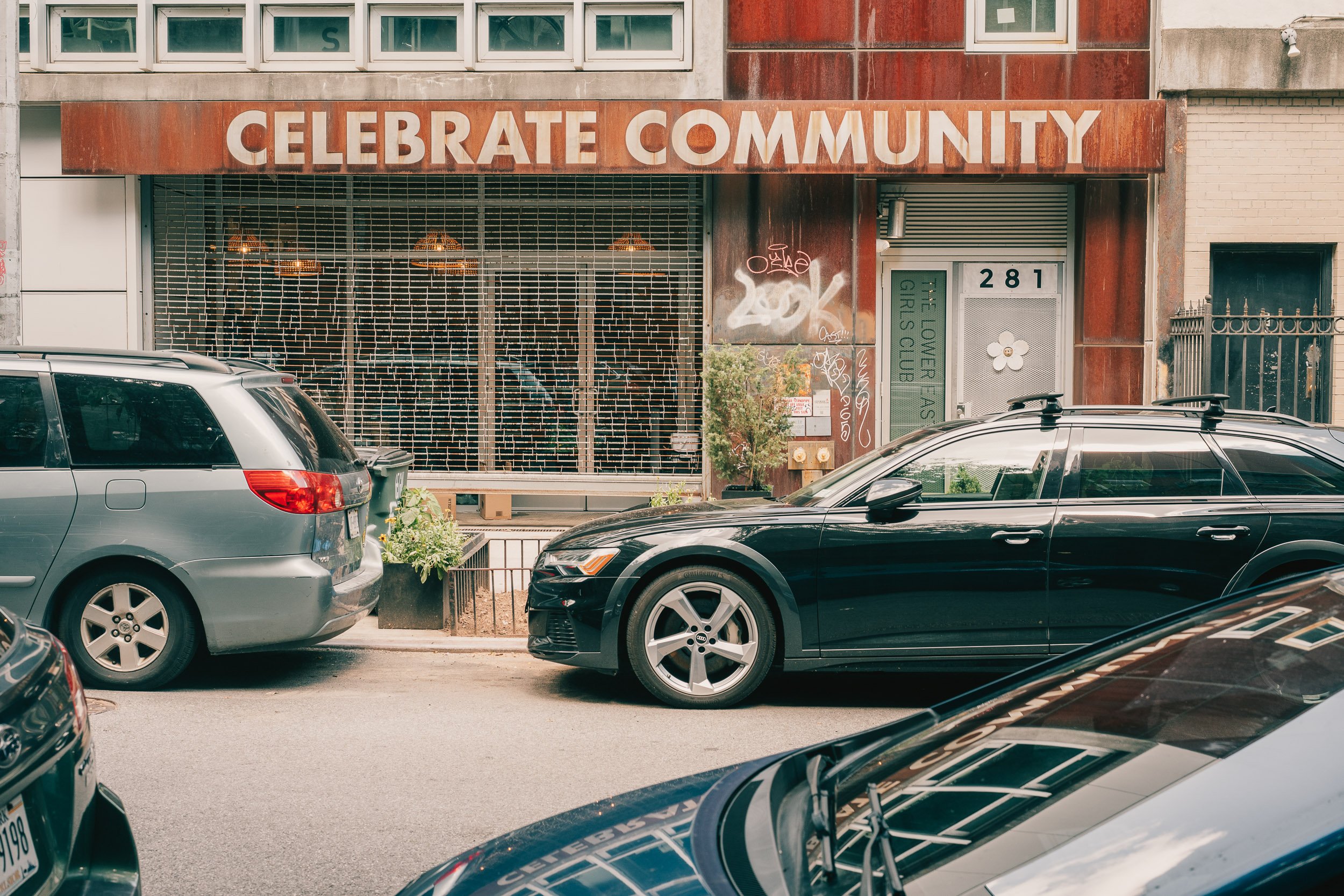
Lower East Side Girls Club aka EVLovesNYC Headquaters
Inside EVLovesNYC
As a PhD Student working on a paper about volunteering, I wanted to use my time in NYC for a closer look at a volunteer-run organization. I came across EVLovesNYC during my desk research. They cook around 2,600 meals every Sunday, distributing them across the city. Two emails later, Ann, who is responsible for communications, invited me to spend a Sunday with the team.
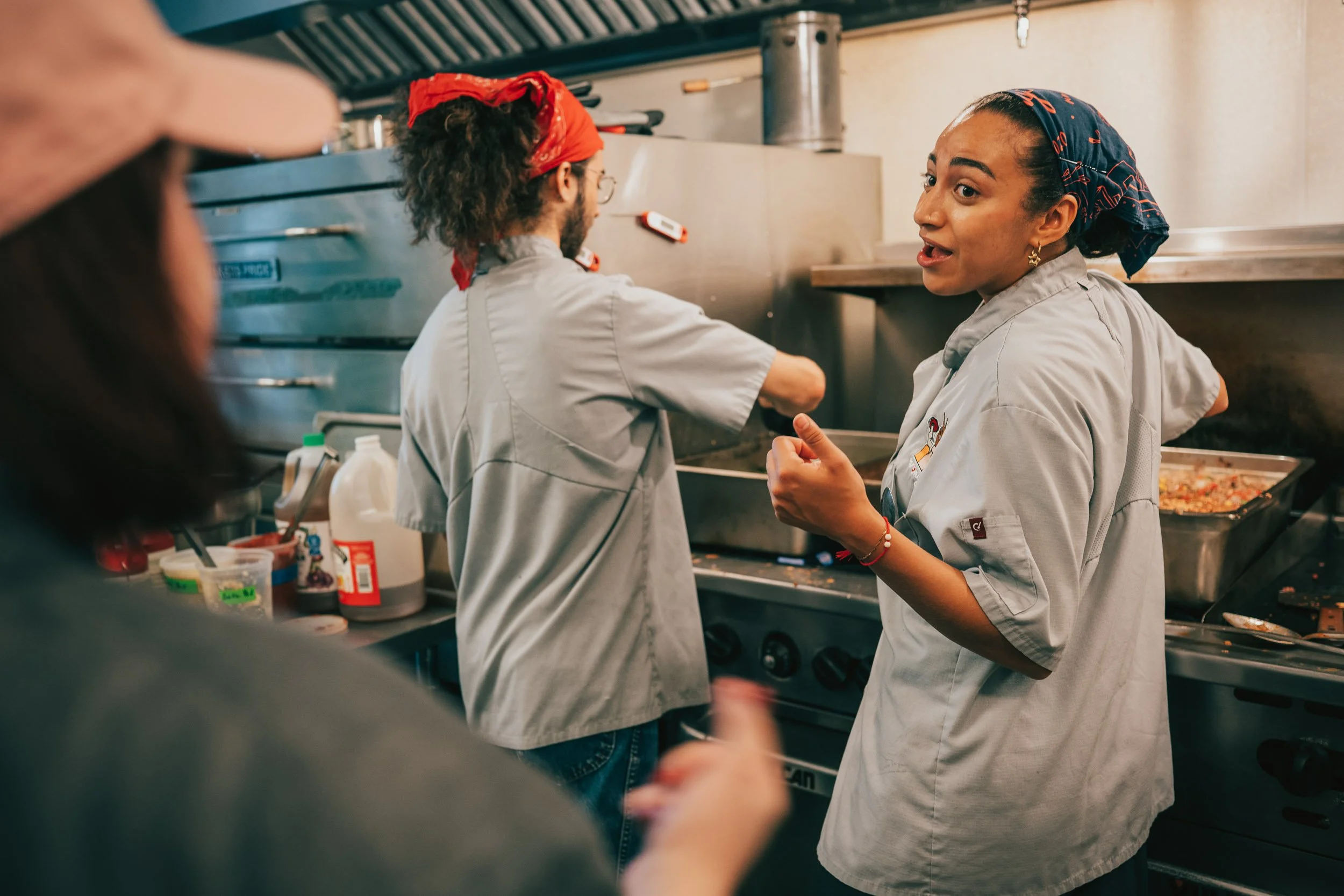
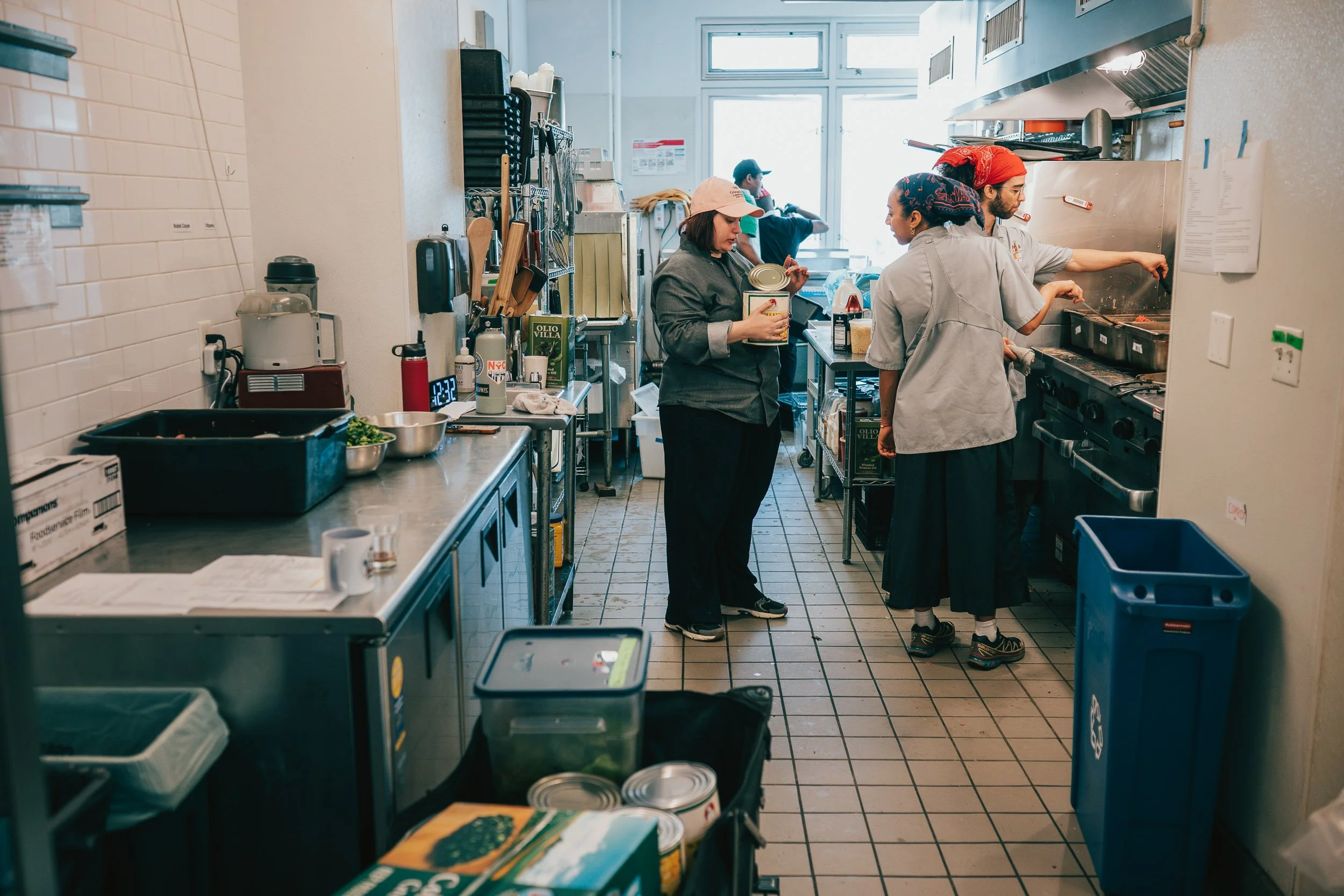
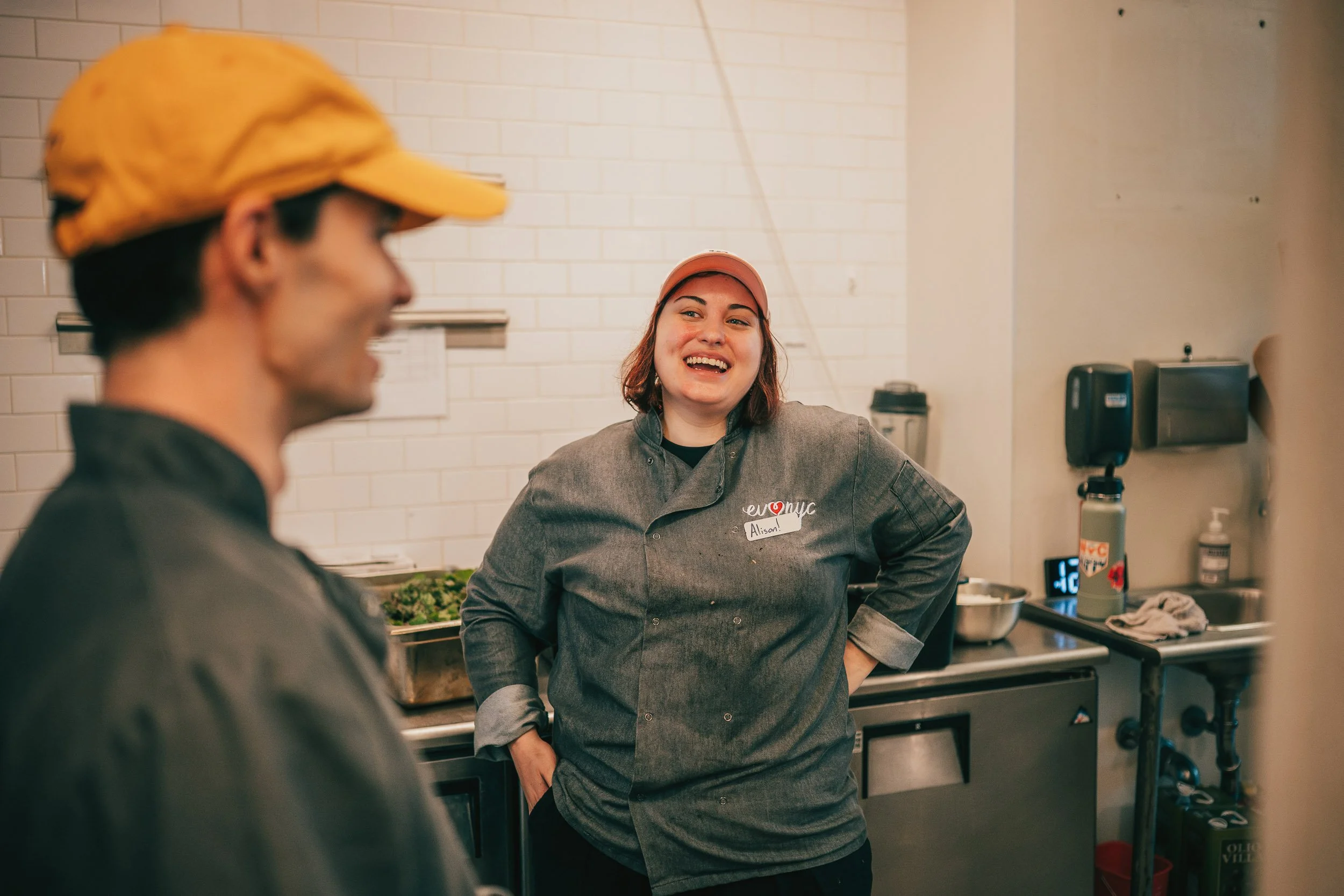
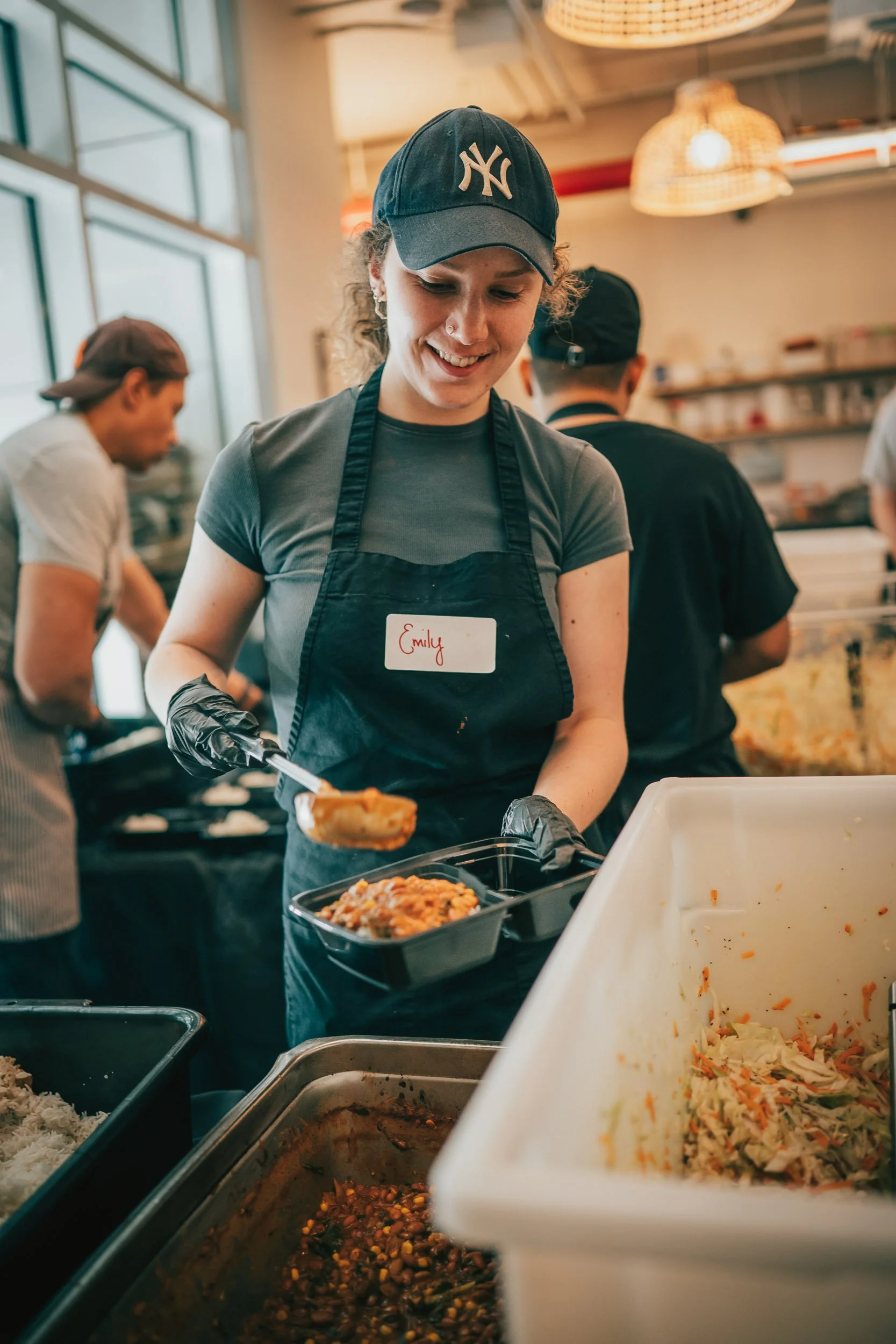
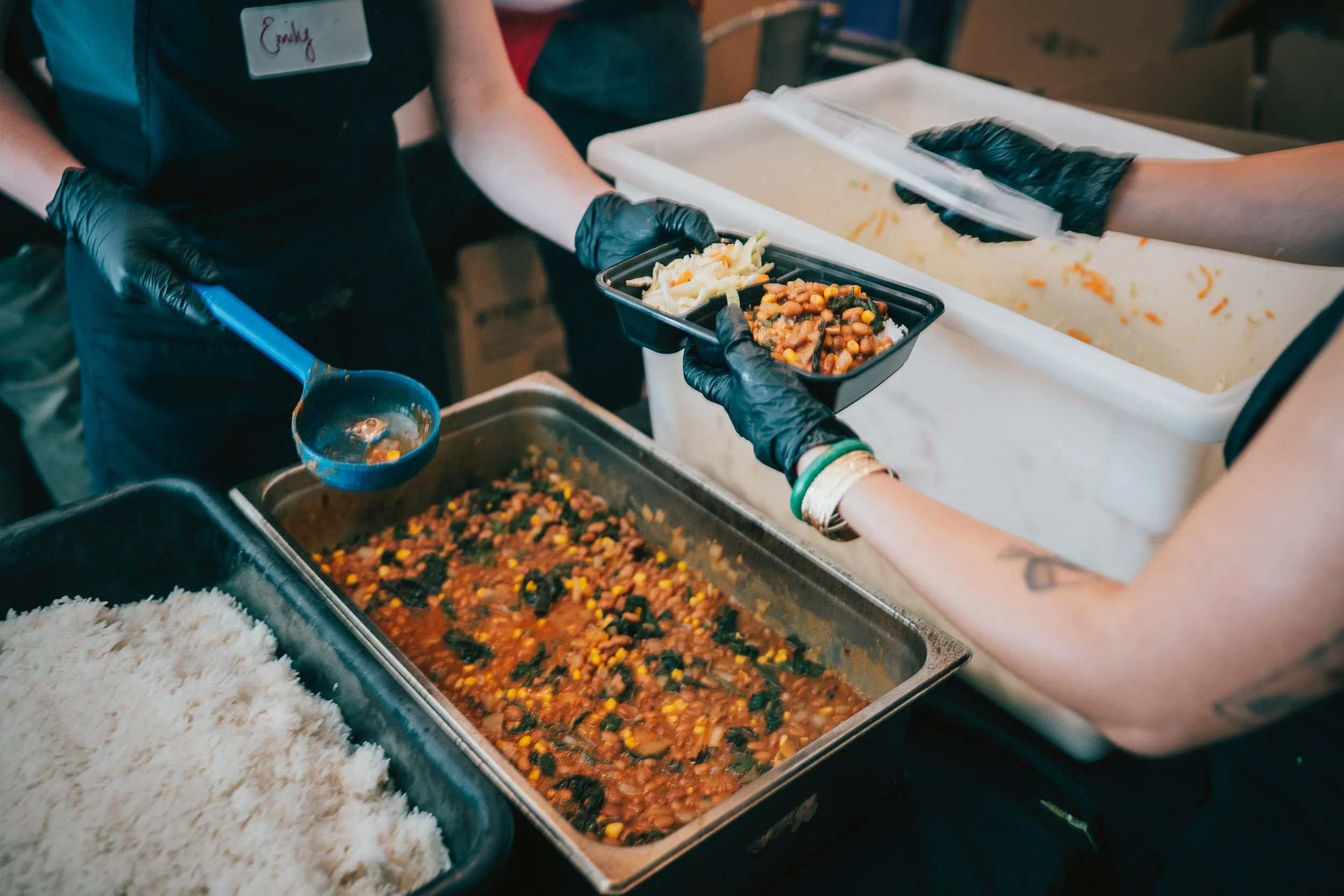
By the time I arrived at around 10:30 in the morning, the preparations were already well underway. The peeling and chopping had been completed downstairs, while upstairs several batches of food were being cooked and packed. The kitchen was highly organized, everyone seemed to know their role, and the standards were highly professional. I was handed a hairnet before I could start photographing.
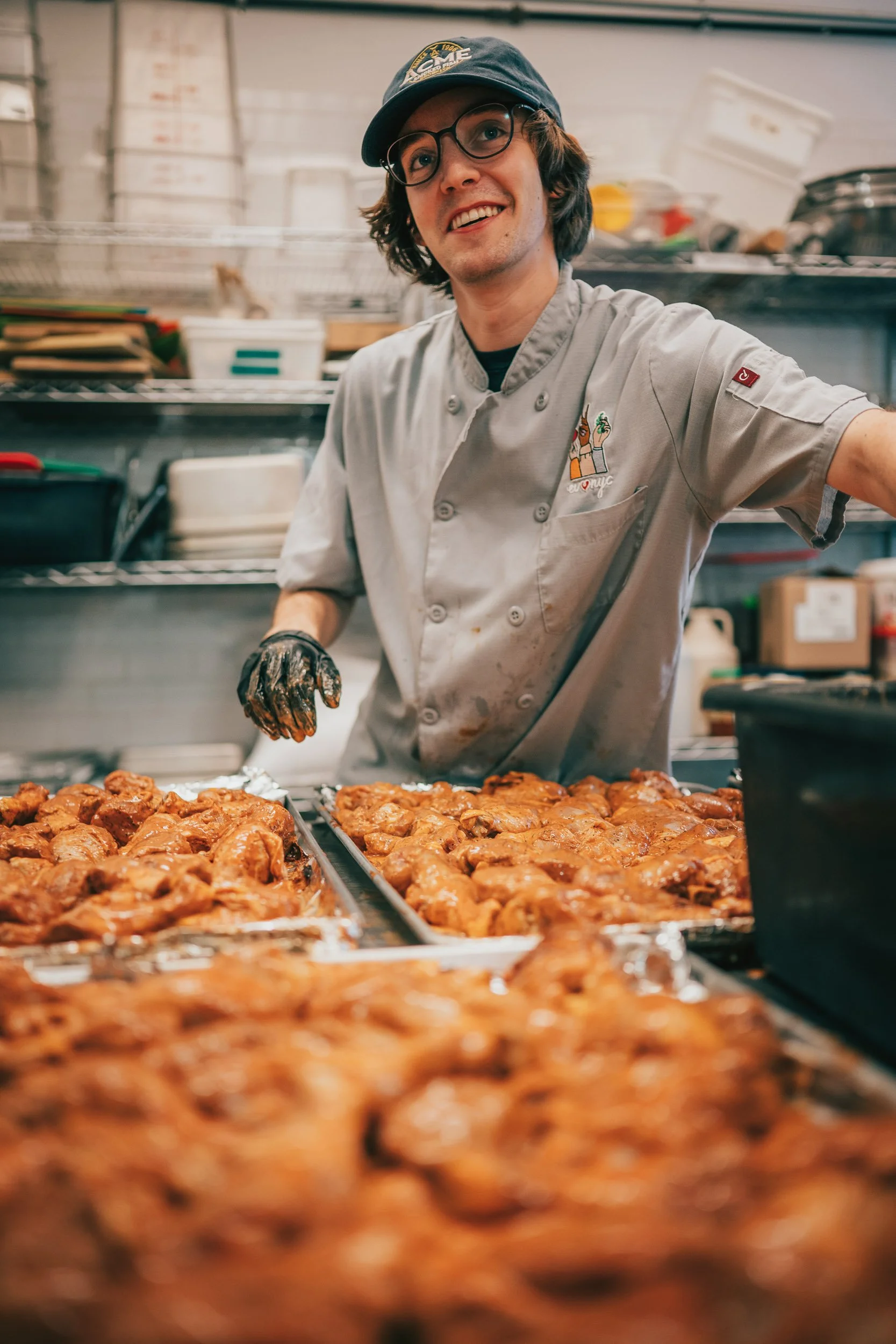
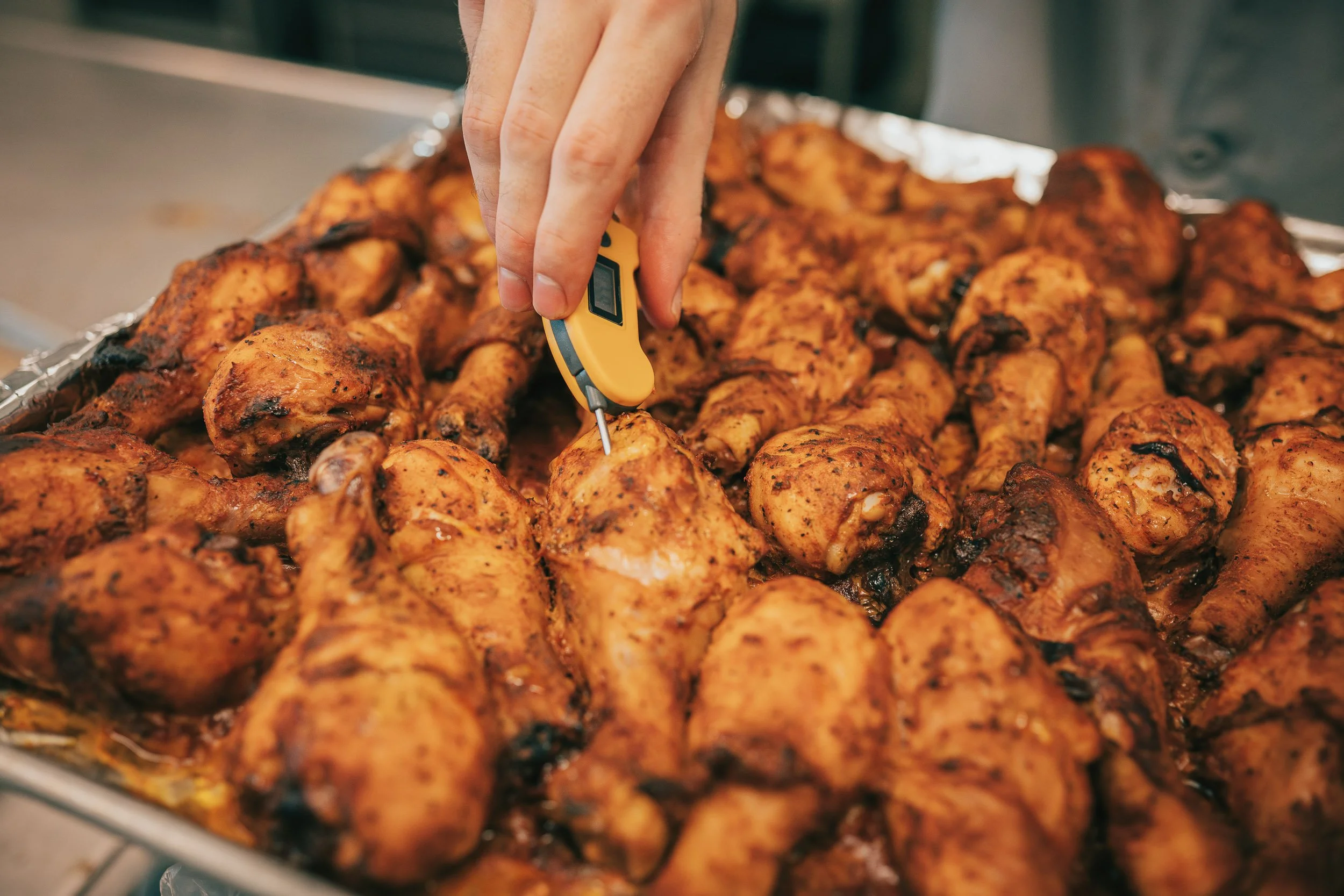
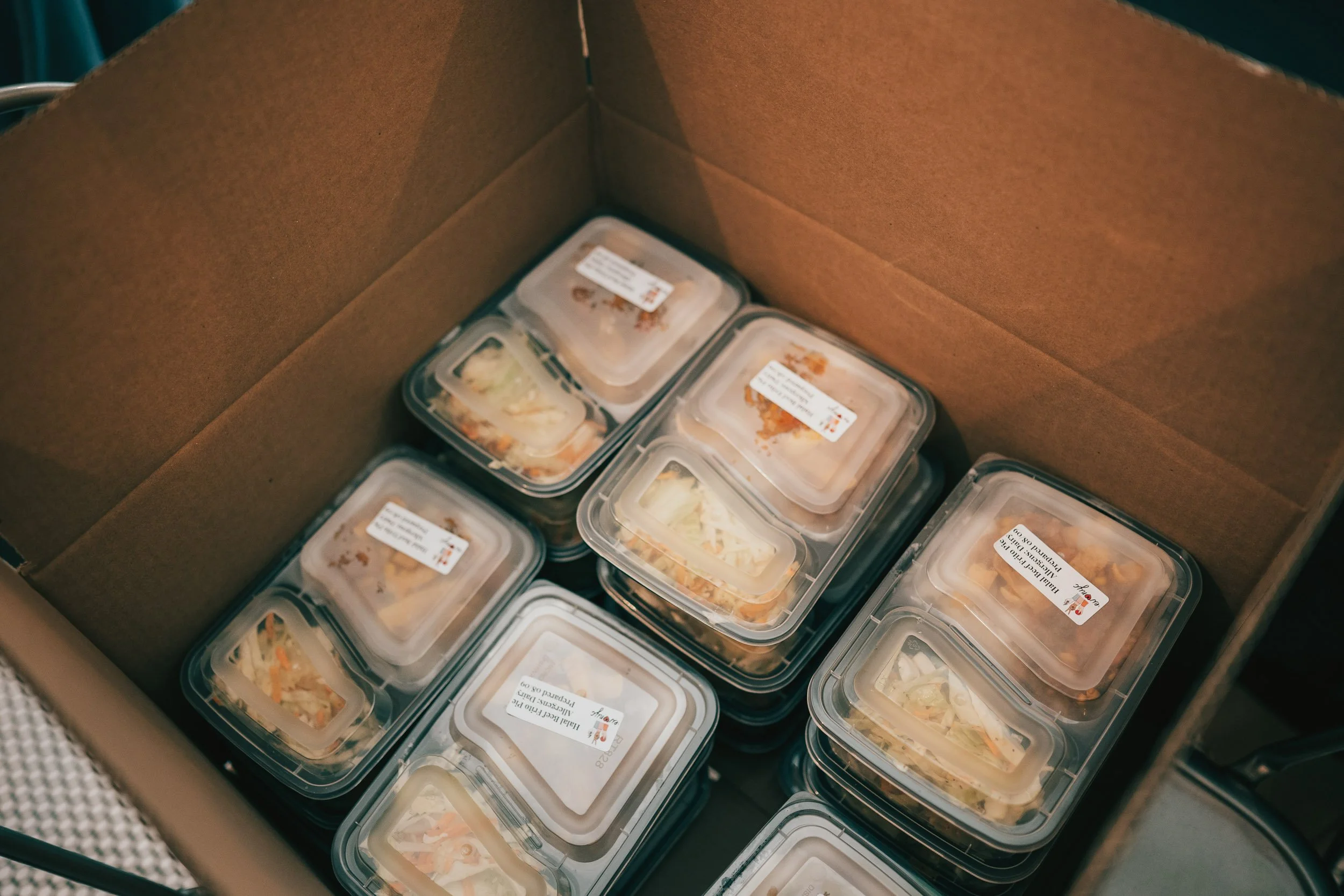
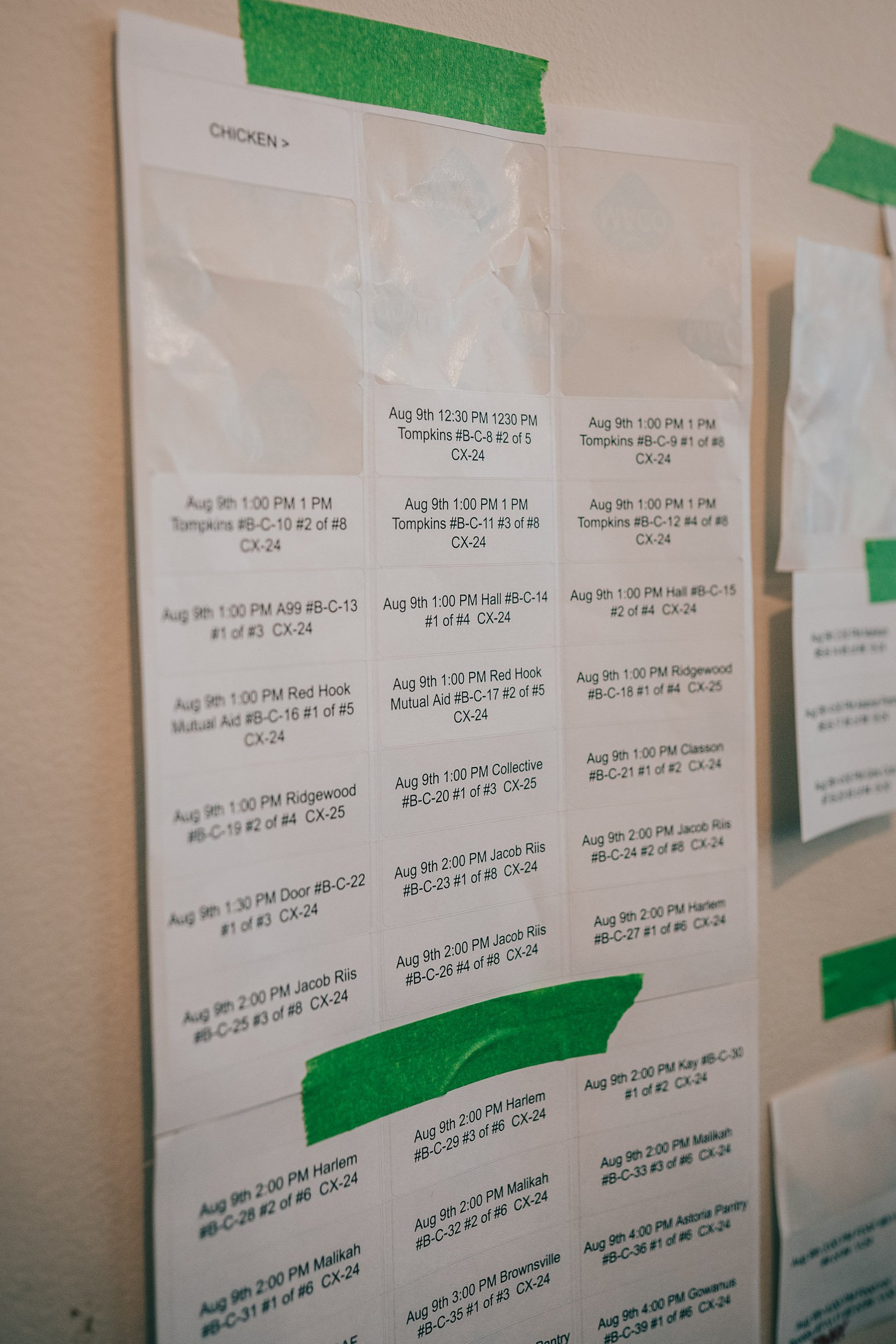
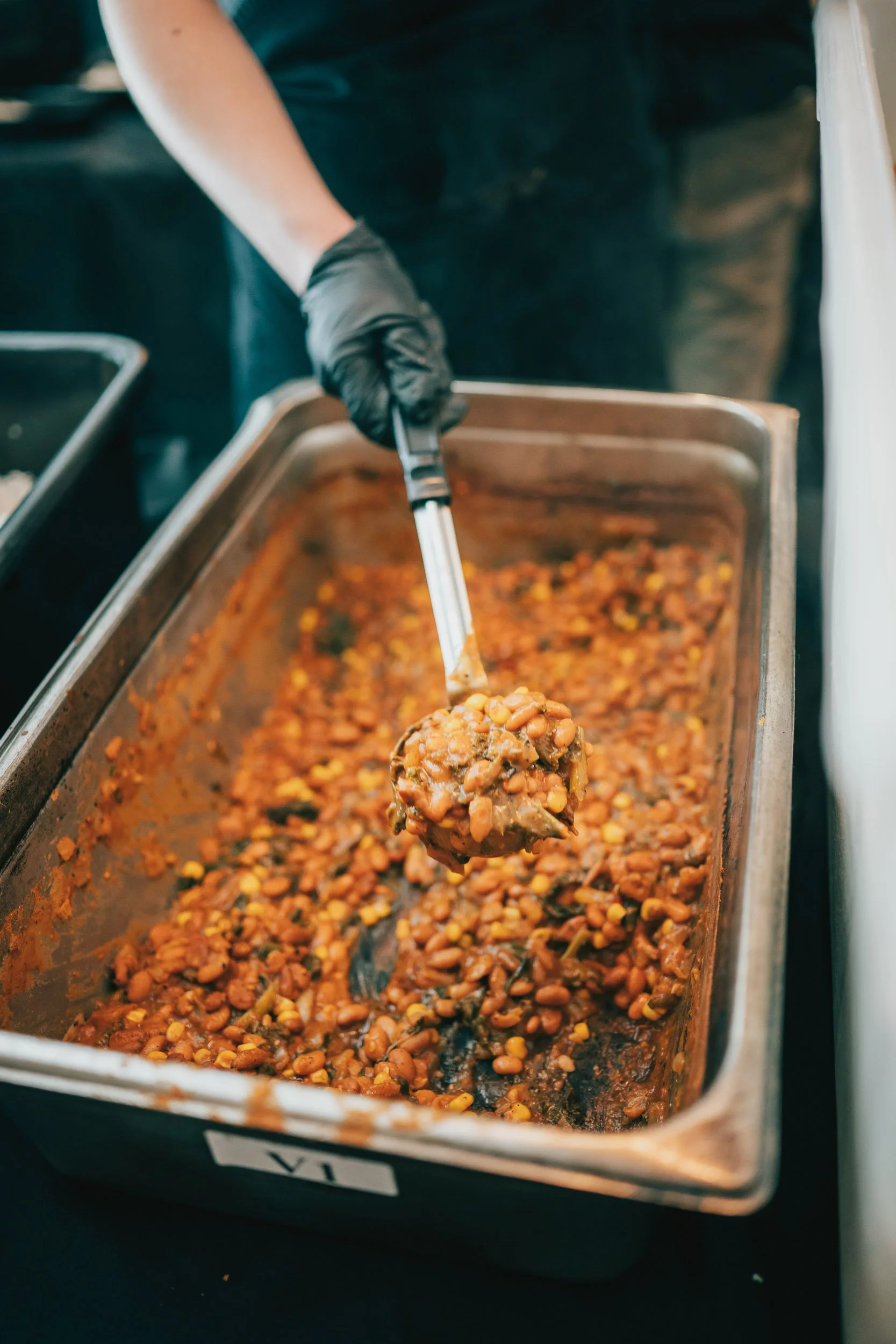
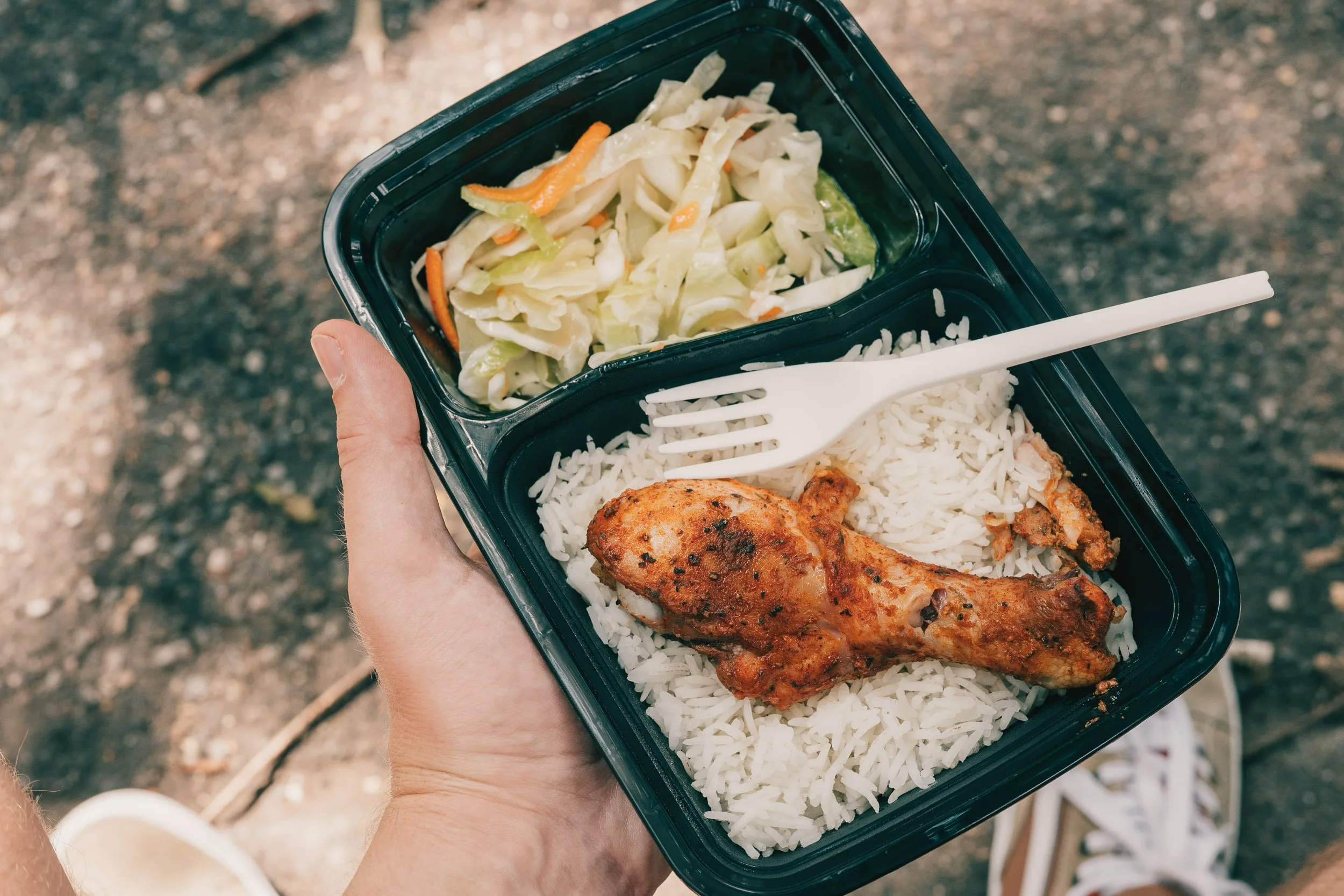
Three meals were being prepared that day: chicken, beef and a vegan option. Everything was halal, reflecting the needs of many of the communities EVLovesNYC serves. The people working in the kitchen were mostly experienced volunteers who regularly come back and have learned how to prepare large quantities of food safely and efficiently. Many also have experience working in professional kitchens.
What stood out to me was that the goal was clearly not just to provide calories. I was encouraged to try the food myself, and it was genuinely good: flavorful, carefully seasoned and freshly prepared. There is a simple idea behind that approach. People should not only have access to food, but to food that is healthy and enjoyable to eat.
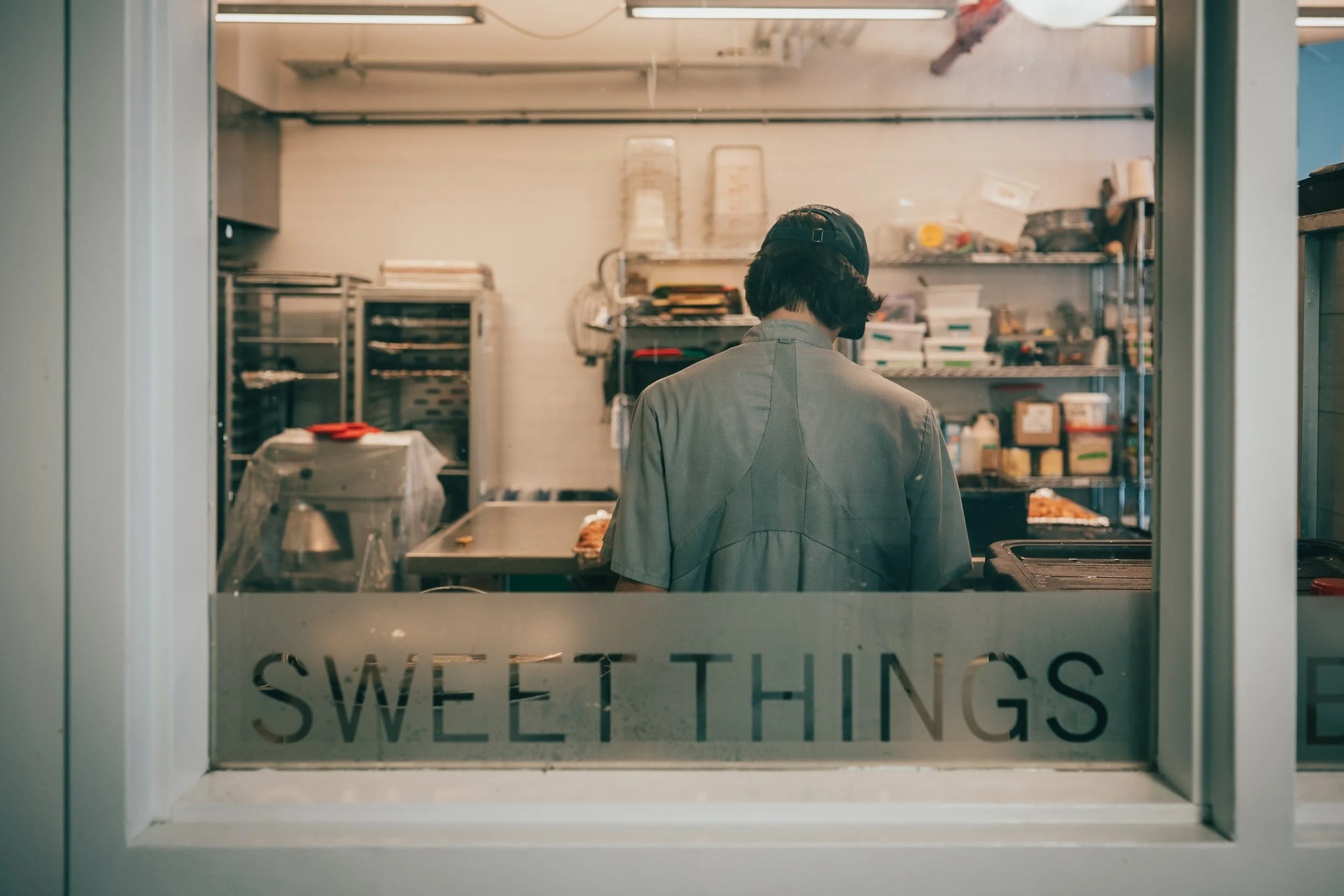
The organization has come a long way since its founders began cooking from home during the COVID-19 pandemic. Today, EVLovesNYC operates from a professional kitchen inside a community center that also houses the Lower Eastside Girls Club.
A system designed for participation
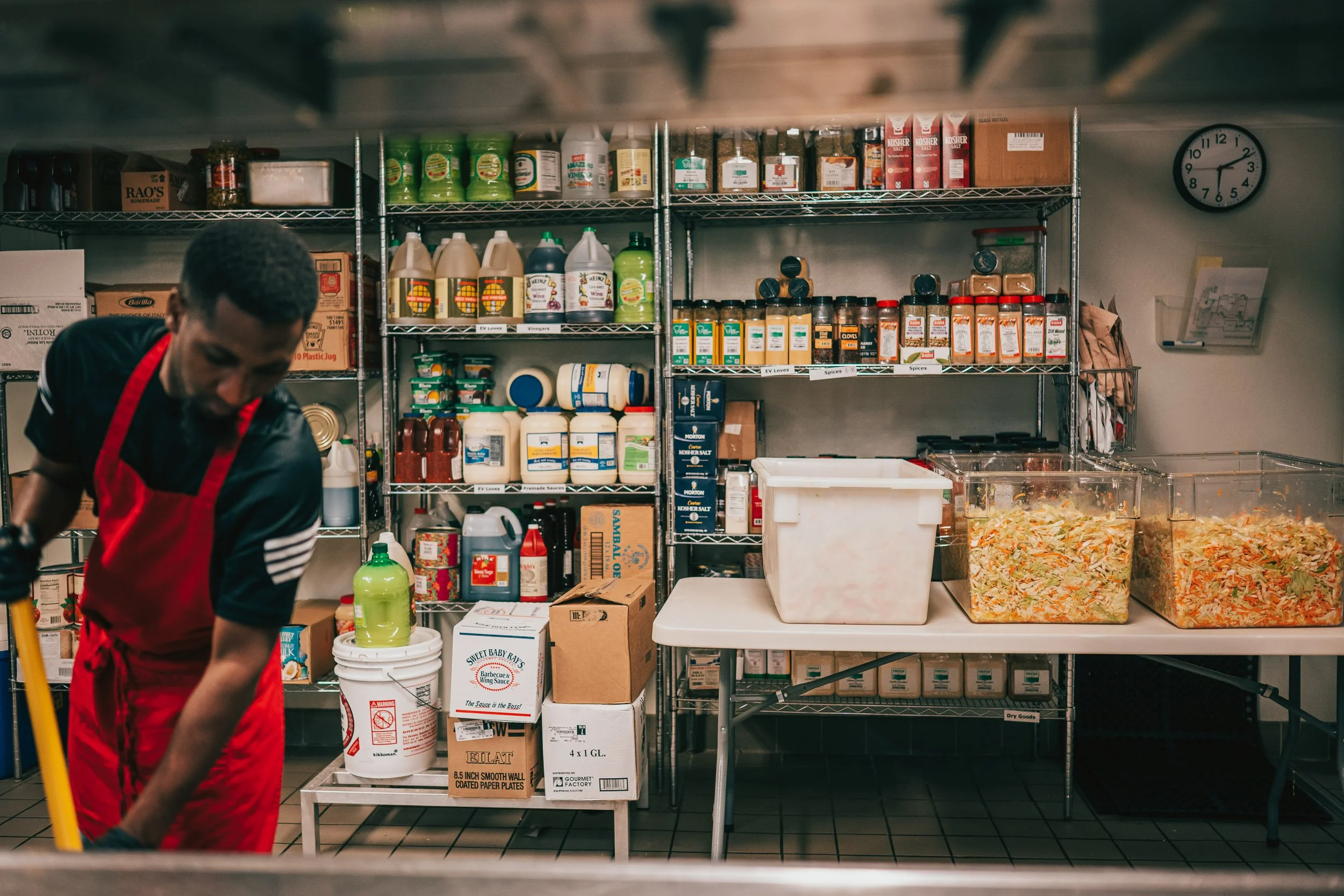
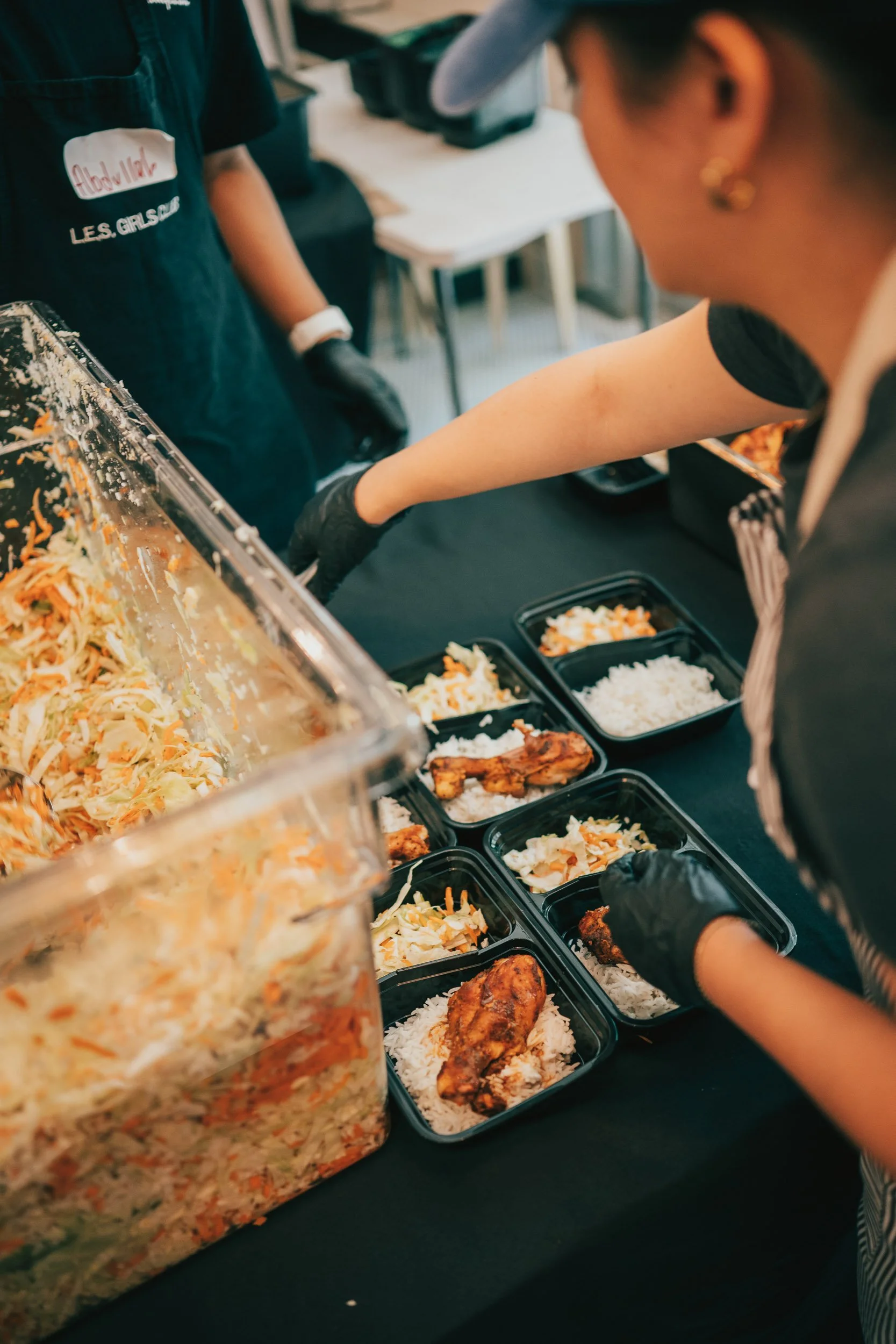
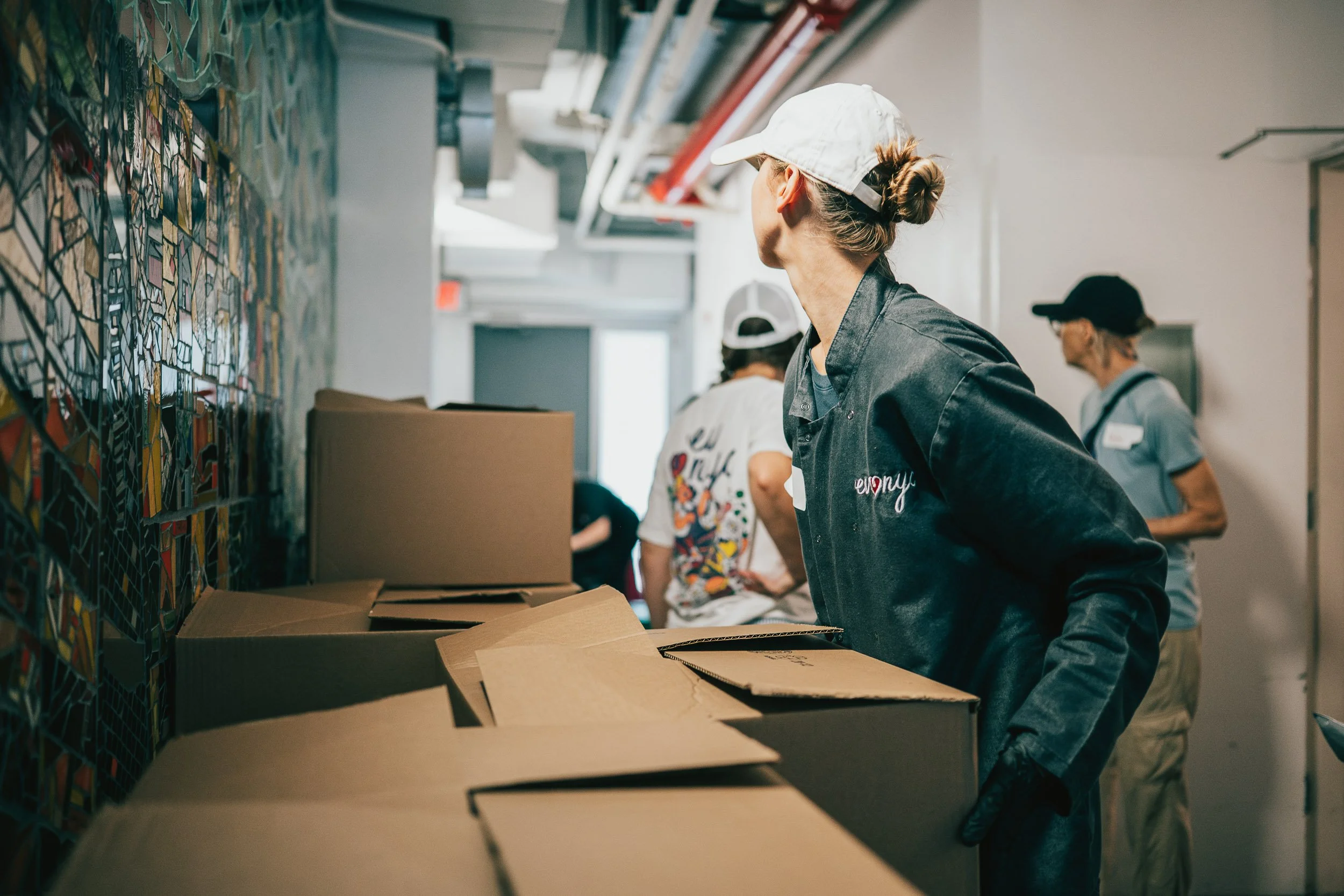
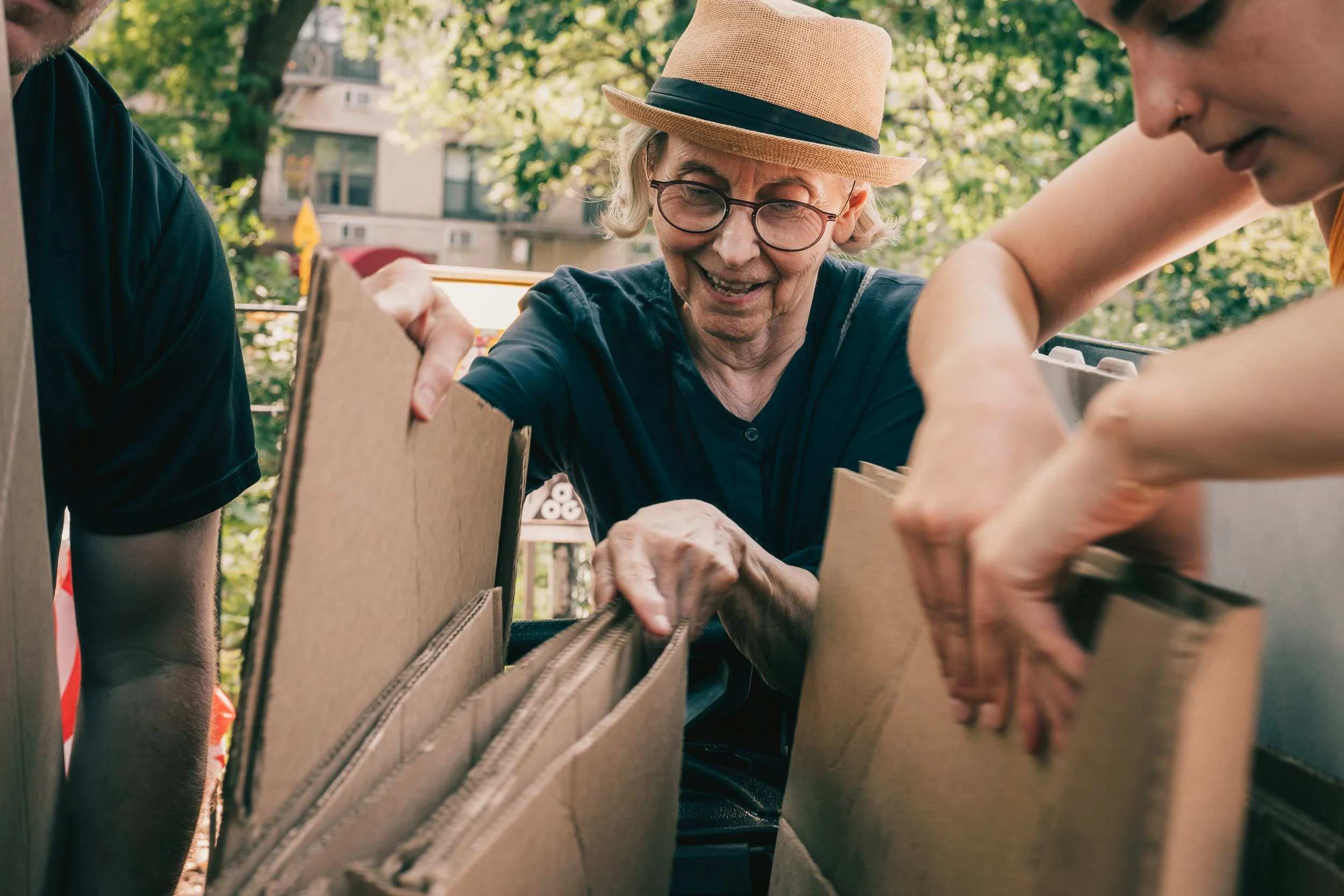
Next to the kitchen, the packing process worked almost like an assembly line. Each person had a clear task, and boxes filled with finished meals remarkably quickly.
Unlike in the kitchen, some of the people working at the packing stations were first-time or occasional volunteers. Several shifts took place throughout the morning, each beginning with a short onboarding. The setup allowed people to contribute without needing extensive experience or making a long-term commitment.
That combination seemed important to me: a stable core provides the knowledge and coordination necessary to keep the operation running, while others can join whenever they have the time and motivation. Leadership responsibilities are also distributed among several members of the organization rather than concentrated in one person.
A similar principle applies to the distribution of the meals. While EVLovesNYC distributes food directly at several locations, most meals are passed on to a wider network of organizations that bring them directly into the communities they serve. The work therefore depends not only on volunteers within EVLovesNYC, but also on partnerships that extend its reach across the city.
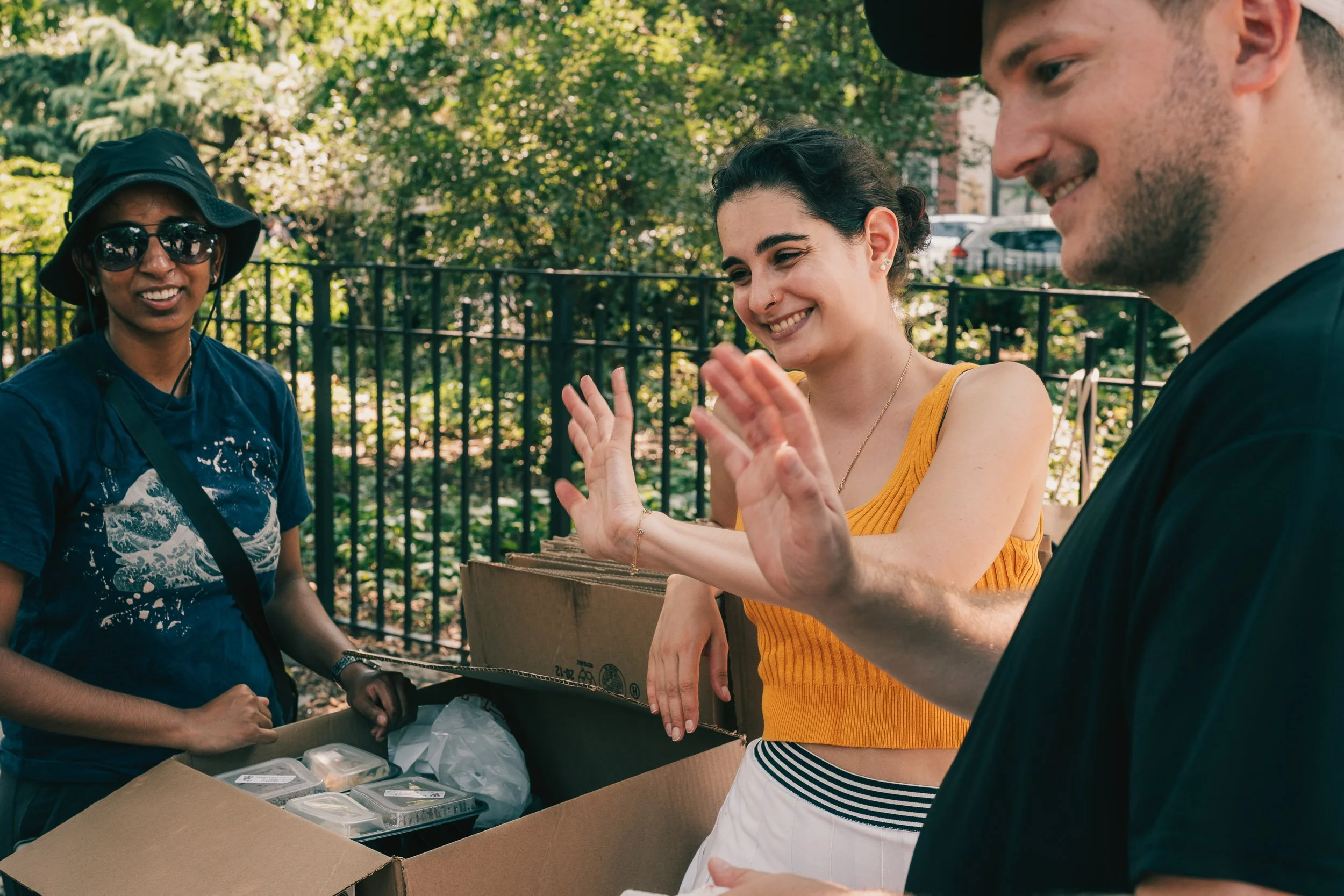
At the same time, the atmosphere was anything but formal. People talked, joked and seemed to genuinely enjoy working together. One volunteer jokingly told me that the excellent bagels were an important reason for returning on Sundays. EVLovesNYC also encourages volunteers to eat the same meals they prepare and distribute. Doing something useful and enjoying the time spent doing it are not treated as opposites.
From the kitchen to the park
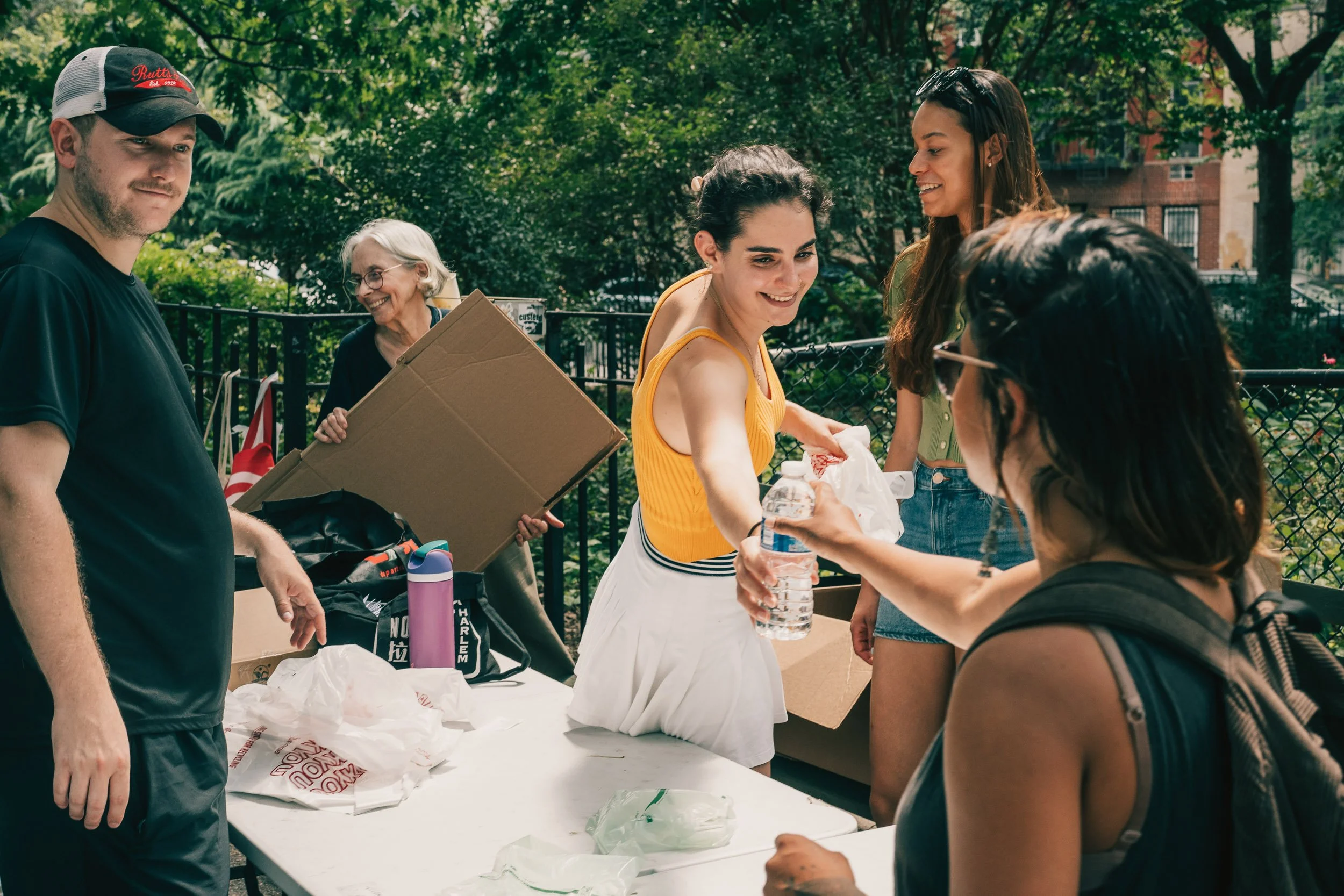
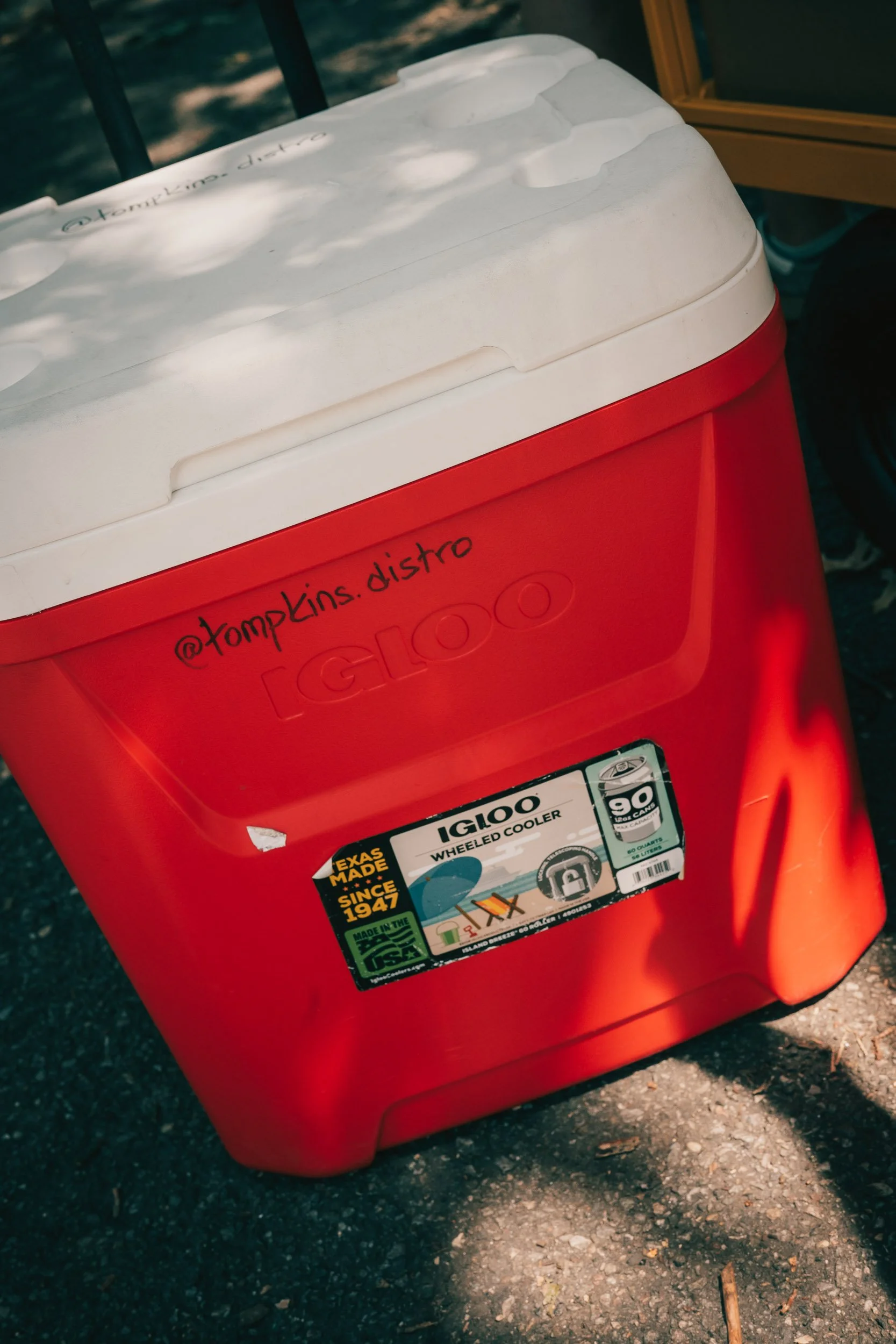
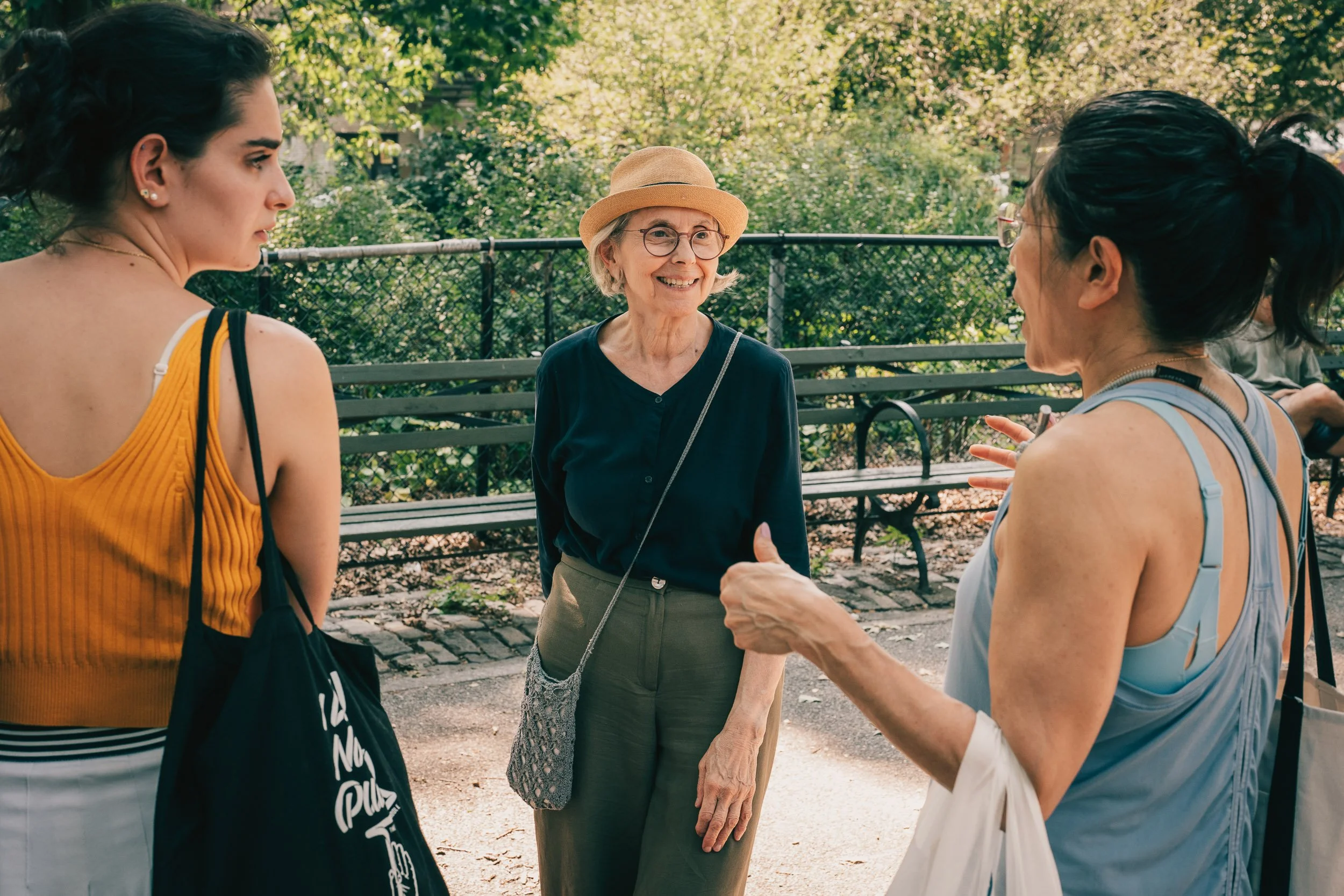
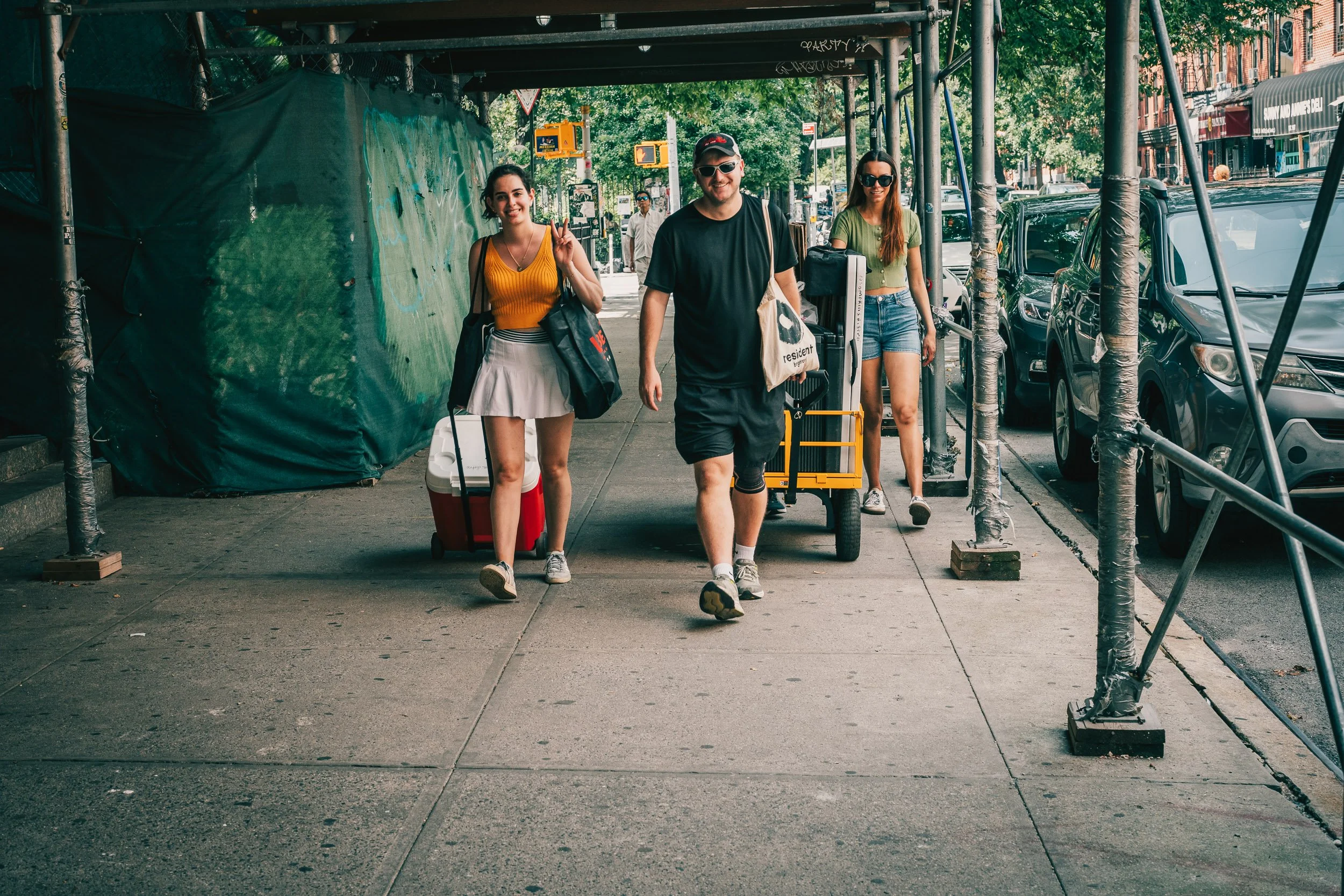
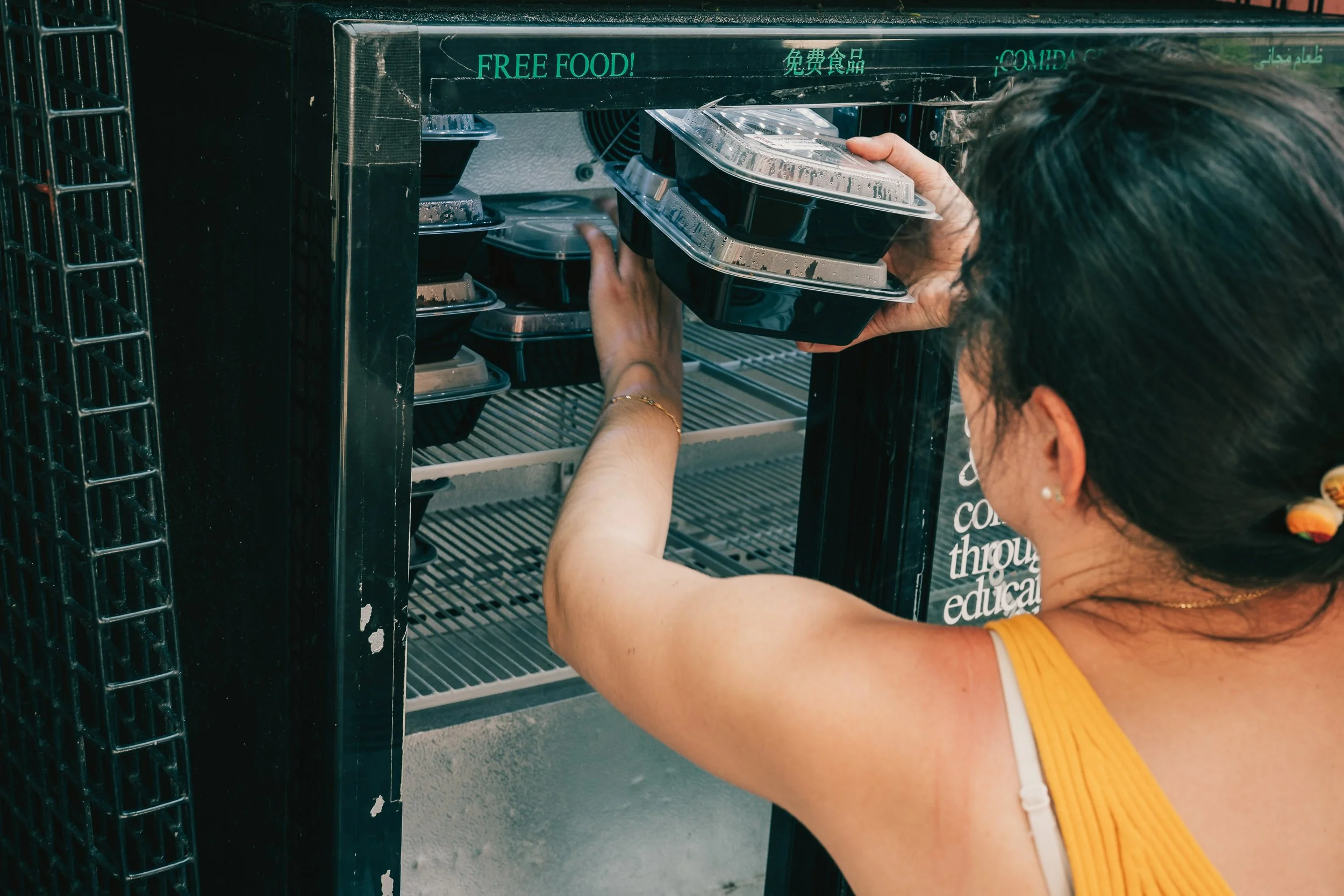
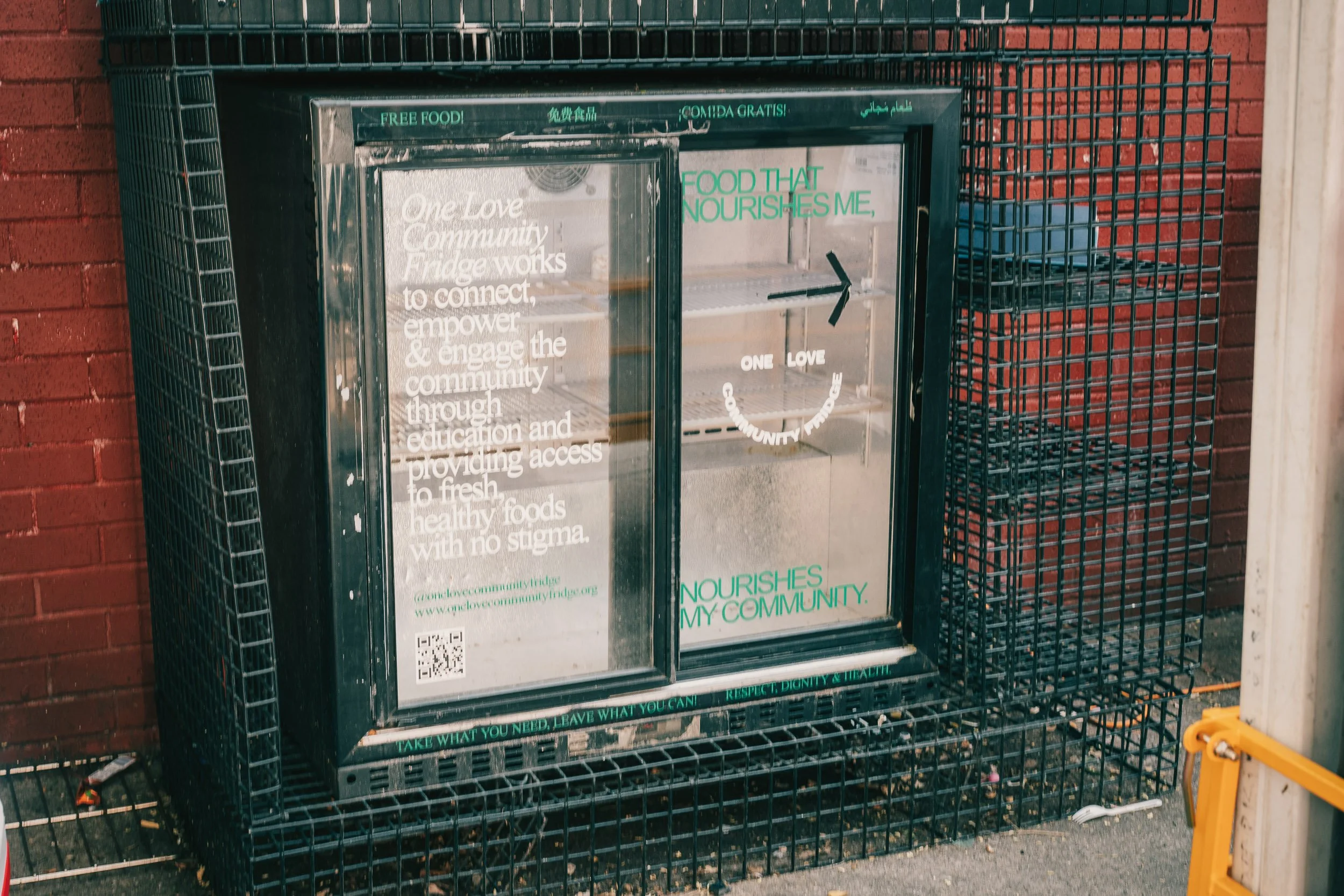
After the meals had been packed, I walked to nearby Tompkins Square Park to join the distribution team. The busiest part of the day was already over when I arrived. A few meals remained, some of which were given to park employees, while the rest were taken to a nearby community fridge.
The community fridge added another layer to what I was beginning to understand about mutual aid in New York. Instead of distributing food only at a specific time and place, these publicly accessible refrigerators allow food to remain available for people to take when they need it. For EVLovesNYC, it also meant that the meals left at the end of the distribution could still reach people rather than going to waste.
During the distribution, I deliberately kept my camera focused on the volunteers, the food and the process rather than on identifiable people receiving meals. EVLovesNYC does not require anyone to prove that they are sufficiently in need before receiving food, and trust within the communities it serves is essential. I did not want my photographs to interfere with that relationship or reduce people to visual representations of hardship.
Instead, I became increasingly interested in the people who keep the system running. I spent a long time talking with Amber from the distribution team, and our conversation eventually moved beyond volunteering to the question of how we can shape our professional lives in ways that contribute something meaningful to society.
The network behind the work
What stayed with me after these two encounters was not only the work of EVLovesNYC itself, but the network surrounding it.
Preparing and distributing meals requires experienced volunteers, but also people who can join for a single shift. Many of the meals move through a wider network of partner organizations that bring them directly into the communities they serve. Local businesses contribute resources as well. One of EVLovesNYC’s major supporters, for example, is 7th Street Burger, a local burger chain that started on the same street where the organization is now based. And organizations such as Collective Scream add another link to the network by connecting social causes with bands, venues and audiences, creating new and creative ways to raise funds.
Coming from Germany, I was struck by how visible this ecosystem of mutual aid organizations, volunteers, businesses and informal initiatives is in New York. In a city with extremely high living costs and a social safety net that differs considerably from the one I know from Germany, these organizations become an important part of the social infrastructure of their neighborhoods.
What makes that infrastructure possible is participation at very different levels. Some people return every week and build the knowledge needed to run the operation. Others arrive for the first time and start packing meals after a short introduction. Some organize concerts, some play in bands, and others simply buy a ticket. And some people make a lot of money and donate a portion of it. Together, these different roles offer a glimpse into the ecosystem that keeps the work going.
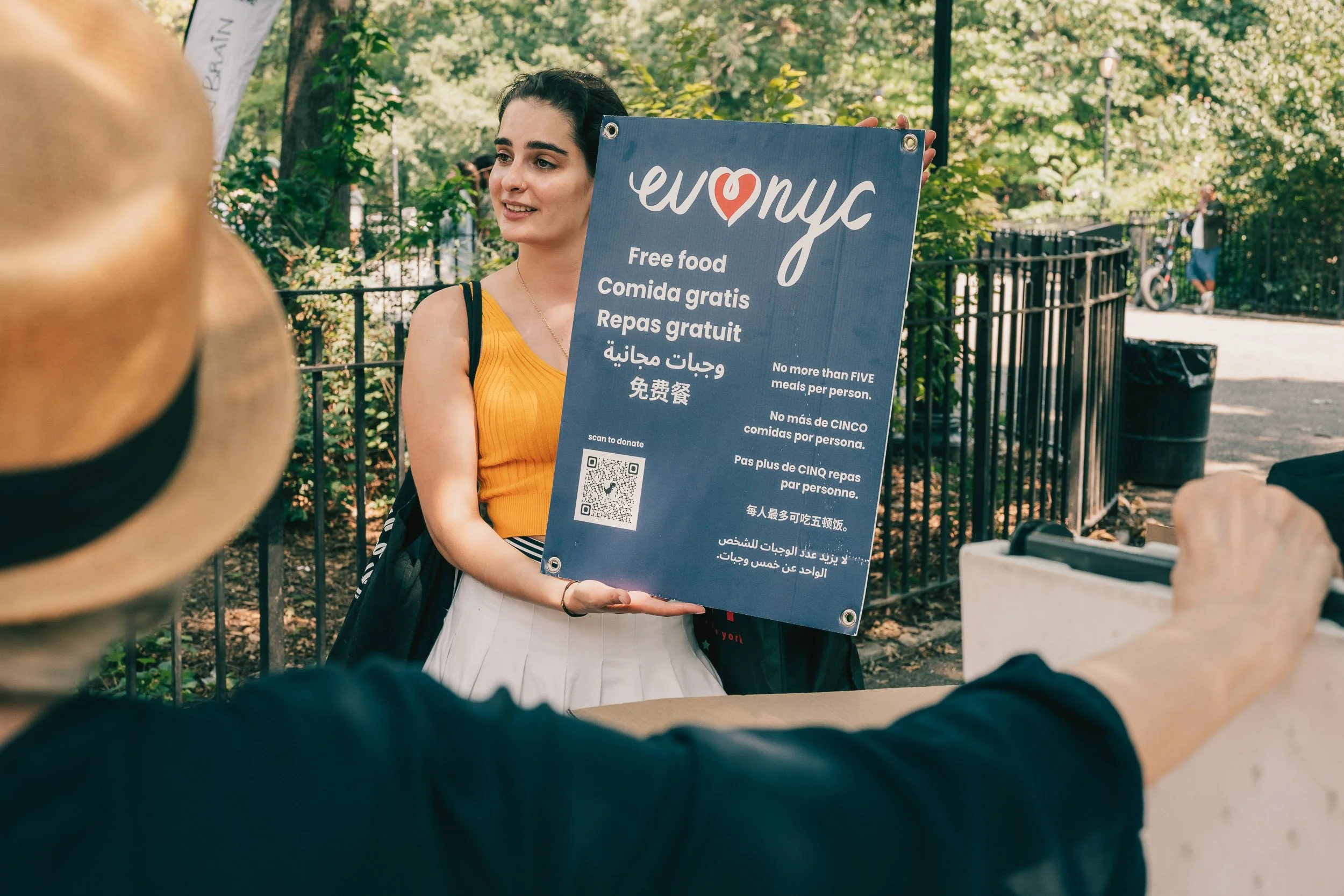
Amber promoting free food at Tompkins Square Park